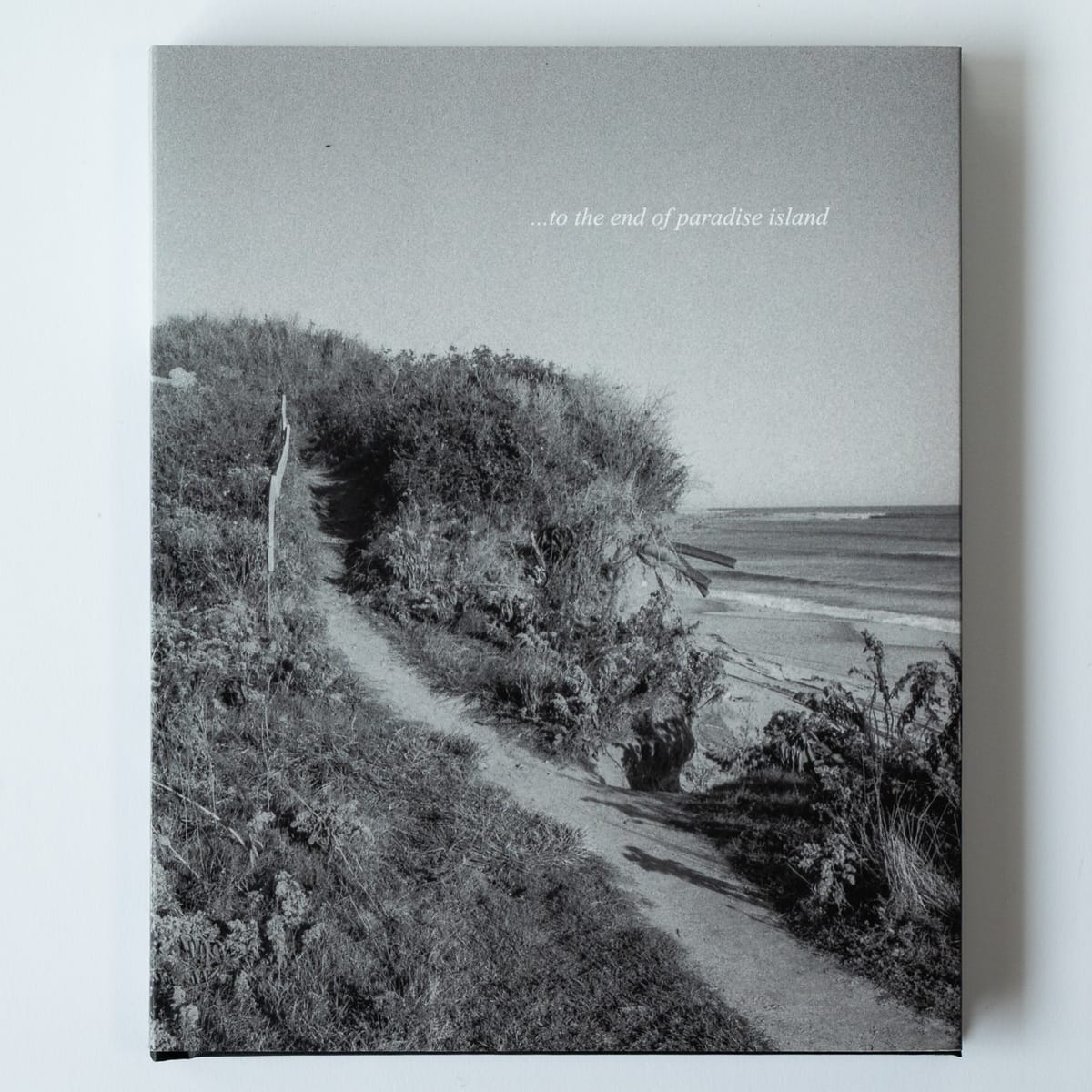
Dispatch: ...to the end of paradise island
Twenty-two walks made by rail from Queens to the towns of Long Island between 2014 and 2016. The final book in the Quartet of Corridors, moving east, town by town, until the island runs out.
It's been a challenging winter in the Twin Cities, and this time it's not due to the frigid snowy weather. It's a strange thing when the city you live in becomes the center of a global story. It will be impossible for me not to carry that into future projects around public spaces.
While Operation Metro Surge dominated the attention for much of the winter, at the very beginning of the year the Twin Cities transit community experienced the closing of the Northstar commuter line. For most people it won't be a big deal since almost nobody was using it but for transit advocates it's a step backward and a symbol of how difficult it is to make rail work in states like Minnesota.
Local urbanism expert Bill Lindeke's recent piece on the Northstar's failure captures it well. The reasons are specific to this corridor: the truncated route, the limited service, the antiquated commuter model. But the loss made me ruminate on how regional rail offers people the ability for spontaneous micro-explorations of their broader region. Travel is so often focused on catching a flight to a far-off destination, but regional rail offers something much closer to home, which can be just as novel as any other journey.
When I lived in New York, that possibility was always present. The Long Island Railroad and Metro North made it a daily reality. You could board at Woodside and be walking a town in Nassau County or the Hudson Valley an hour later. That access shaped how I understood the entire metropolitan area, and it's what I miss most about living there.
Which brings me to this book.
The final corridor
…to the end of paradise island is the fourth and final book in the Quartet of Corridors, a series that maps walks across Greater New York City. The sequence begins with Old Croton Aqueduct in Westchester, continues through Manhattan Perimeter, crosses the city's bridges and trails (next book!), and ends here, on the Long Island Railroad, moving east toward Montauk. Together the four books trace a continuous line from the aqueduct north of the city to the lighthouse at the end of the island, all connected by commuter rail lines through the geography.
Reverse commute
The project started in 2014, after finishing Skyway (book soon!). I had become fascinated with the LIRR and what it made accessible: the first American suburbs, the coast, and a way of being inside the New York metropolitan area without being inside the city. Each trip was a reverse commute. Board at Woodside, ride east, step off at a station I had never visited, and walk until it was time to return. A single day in a place I would visit once and never go back to.
Over twenty-two walks in two years, the route moved steadily east through Nassau and Suffolk counties. The towns changed gradually. Dense commuter suburbs gave way to marinas, state parks, coastal roads without sidewalks, and the kind of quiet residential streets where walking itself feels like a minor transgression. Long Island carries the original promise of the American suburb, the house, the yard, the proximity to water, alongside everything that has accumulated since. That tension was present as I made the walks.
Reaching the end
What made the project different from the longer, open-ended work in the archive was the constraint. The island has an end. The railroad has a last stop. The eastward movement was always going to arrive somewhere, and that inevitability shaped the later walks. By the time I reached Montauk in November 2016, the project had become as much about approaching a conclusion as it was about the landscape itself. The country had changed in the weeks before that final weekend. The walk ended where the land ended, at the bluffs, facing the Atlantic.
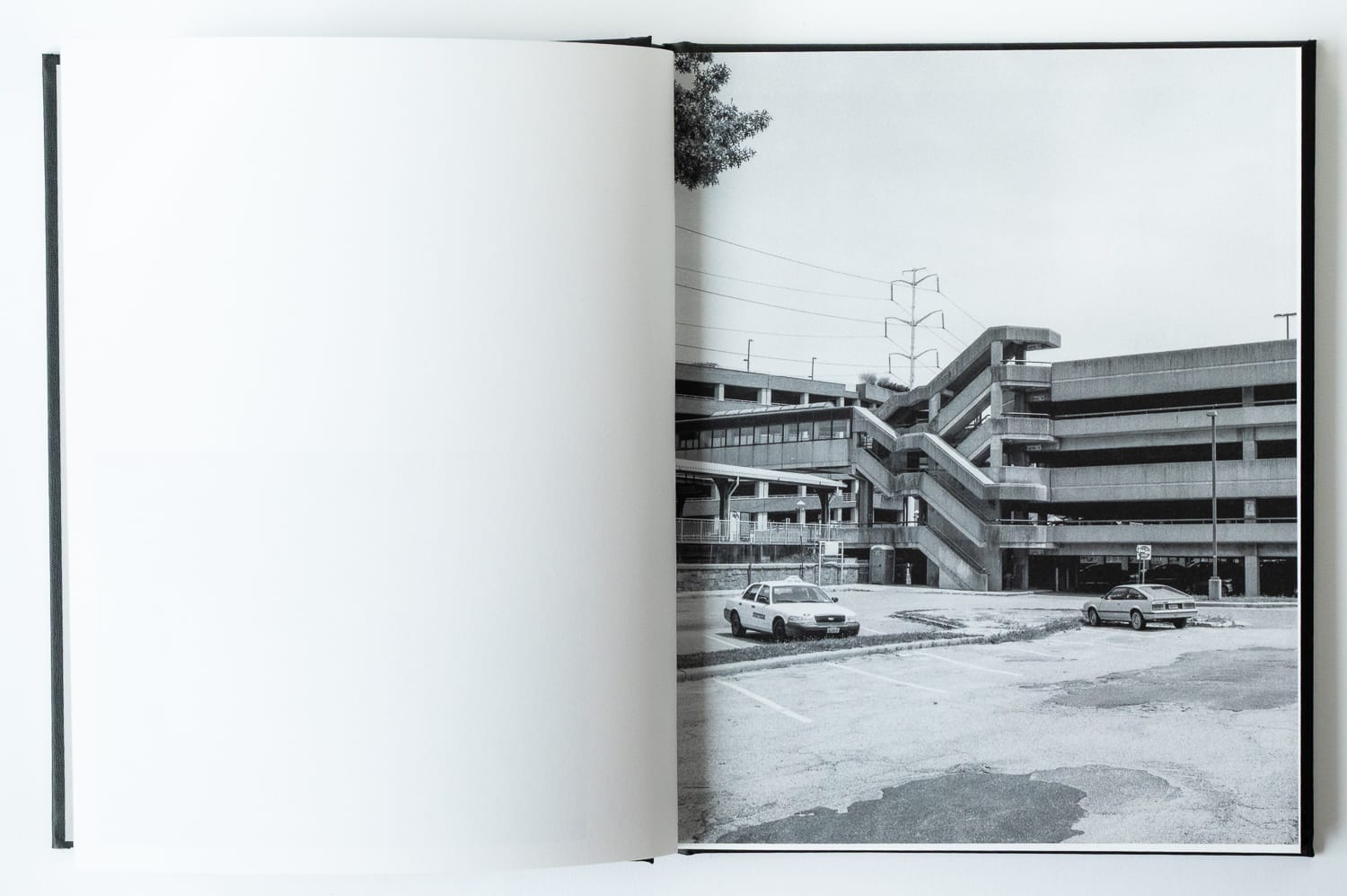
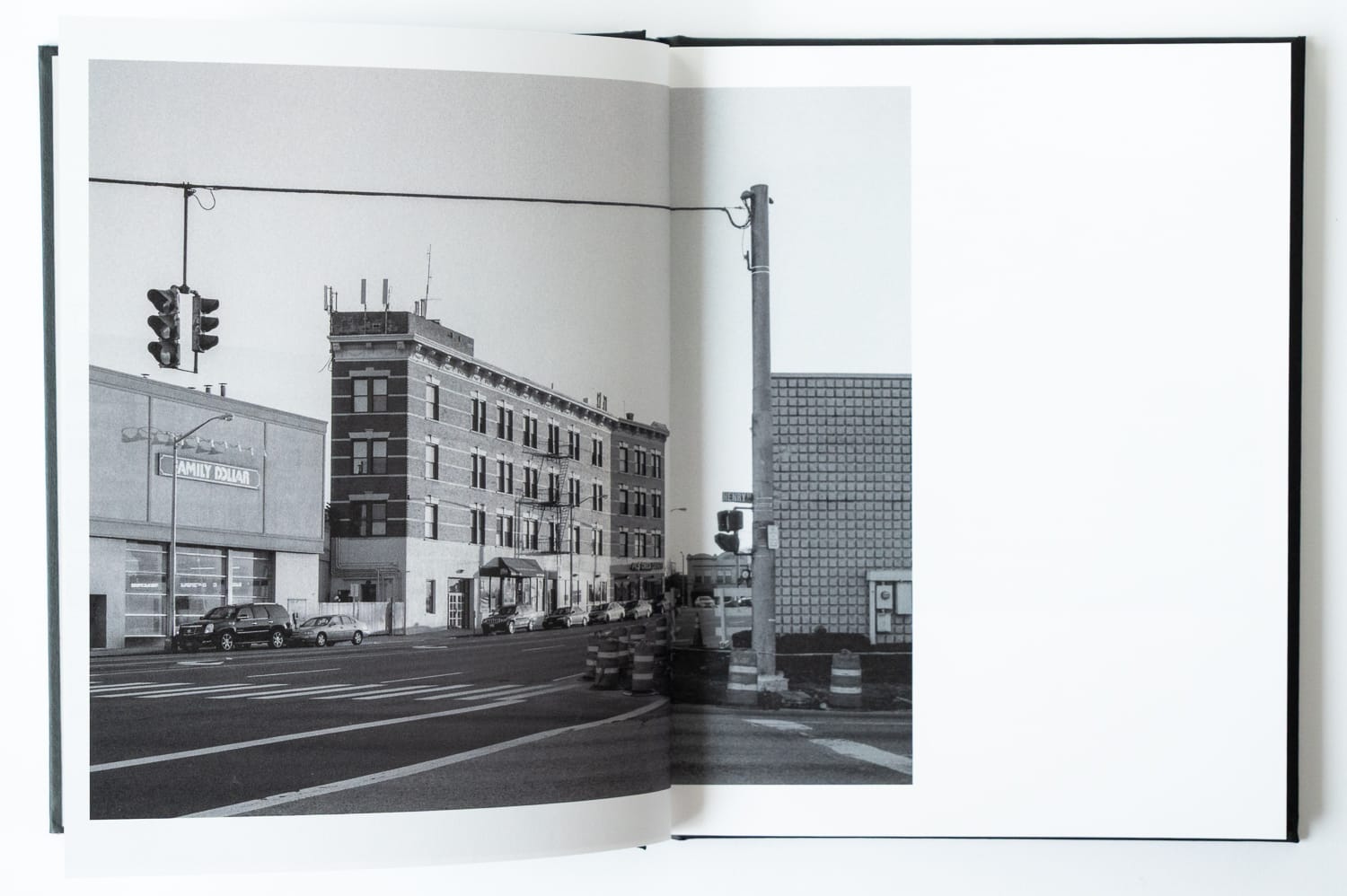
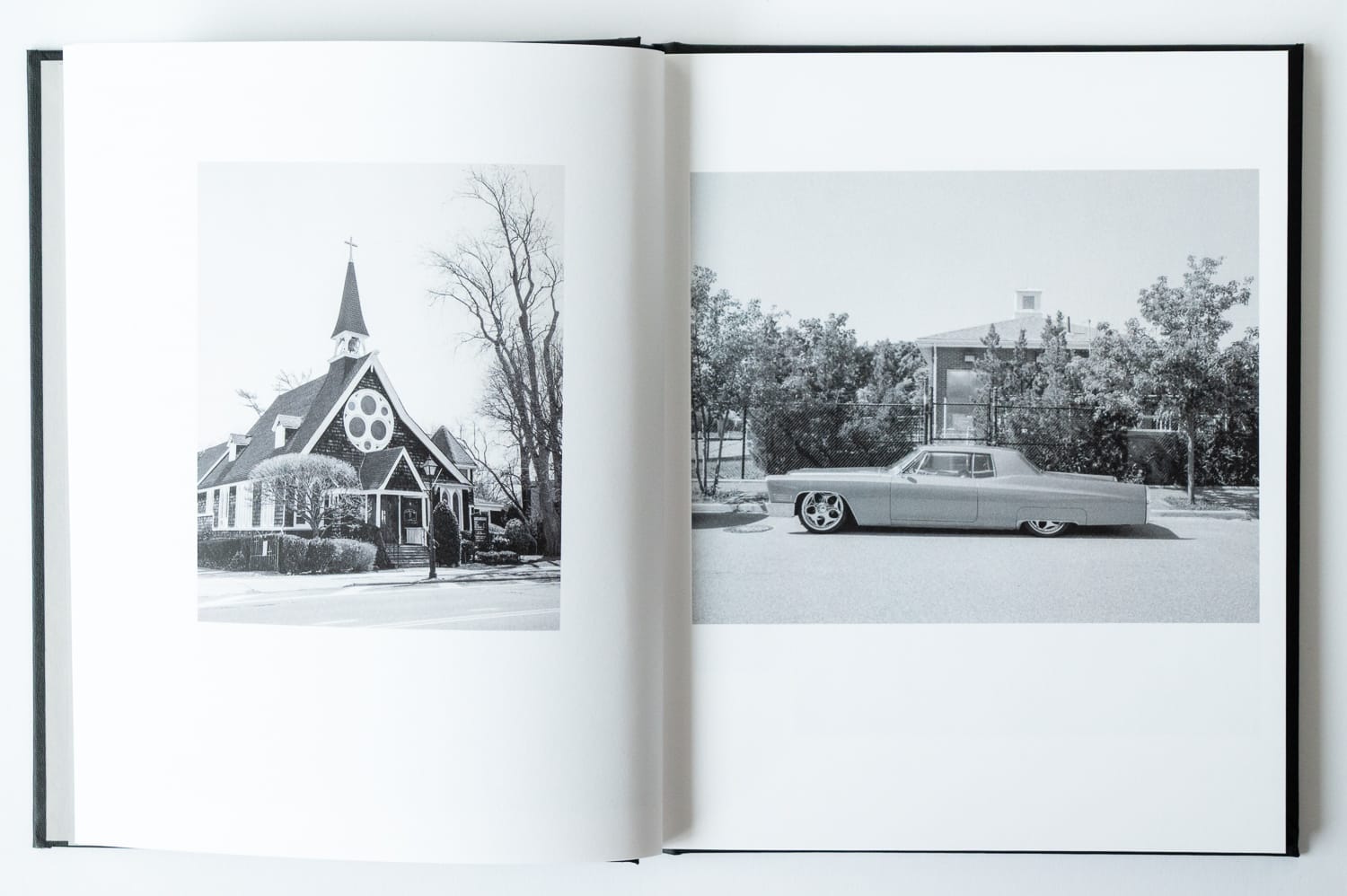
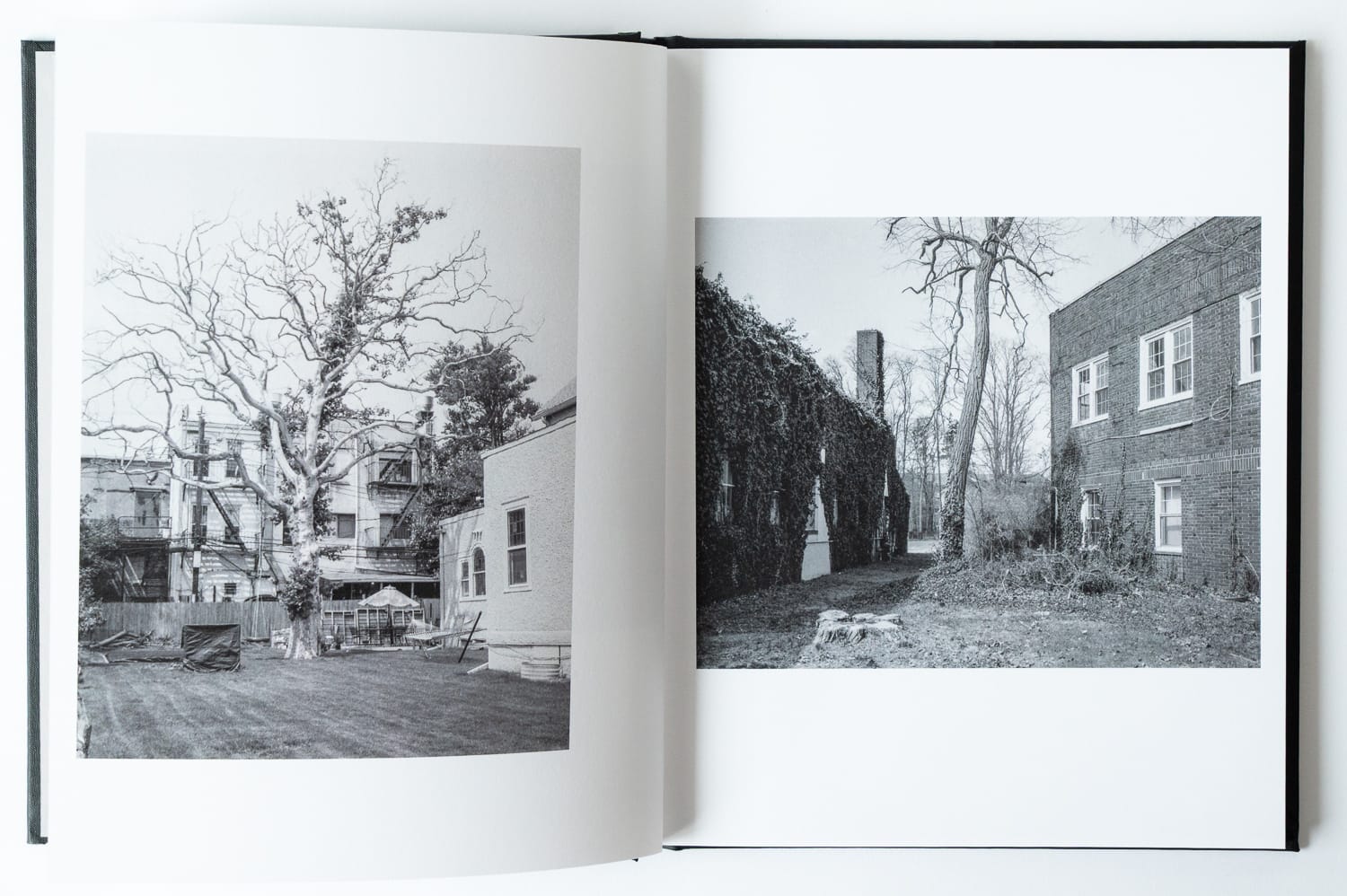
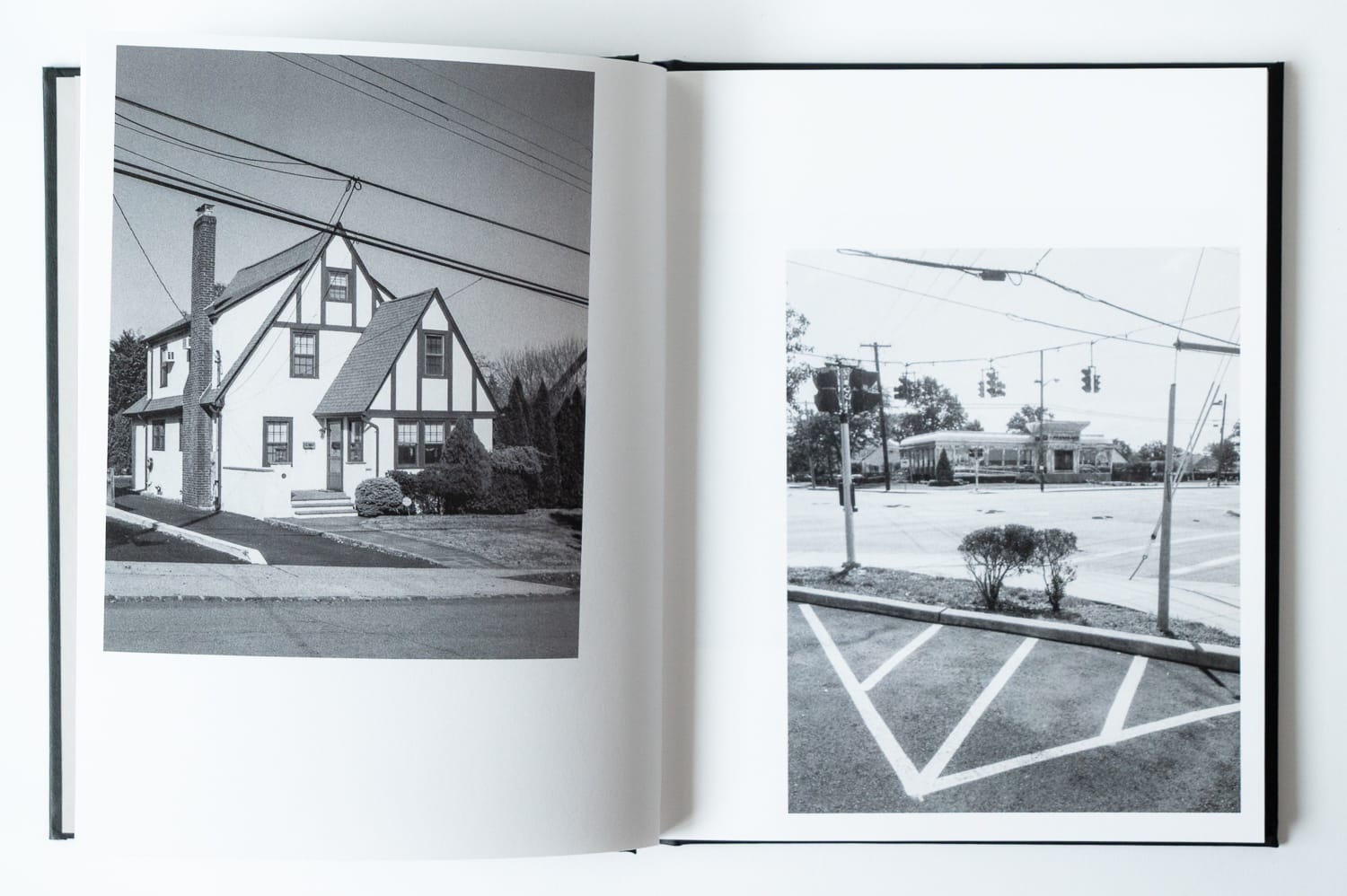
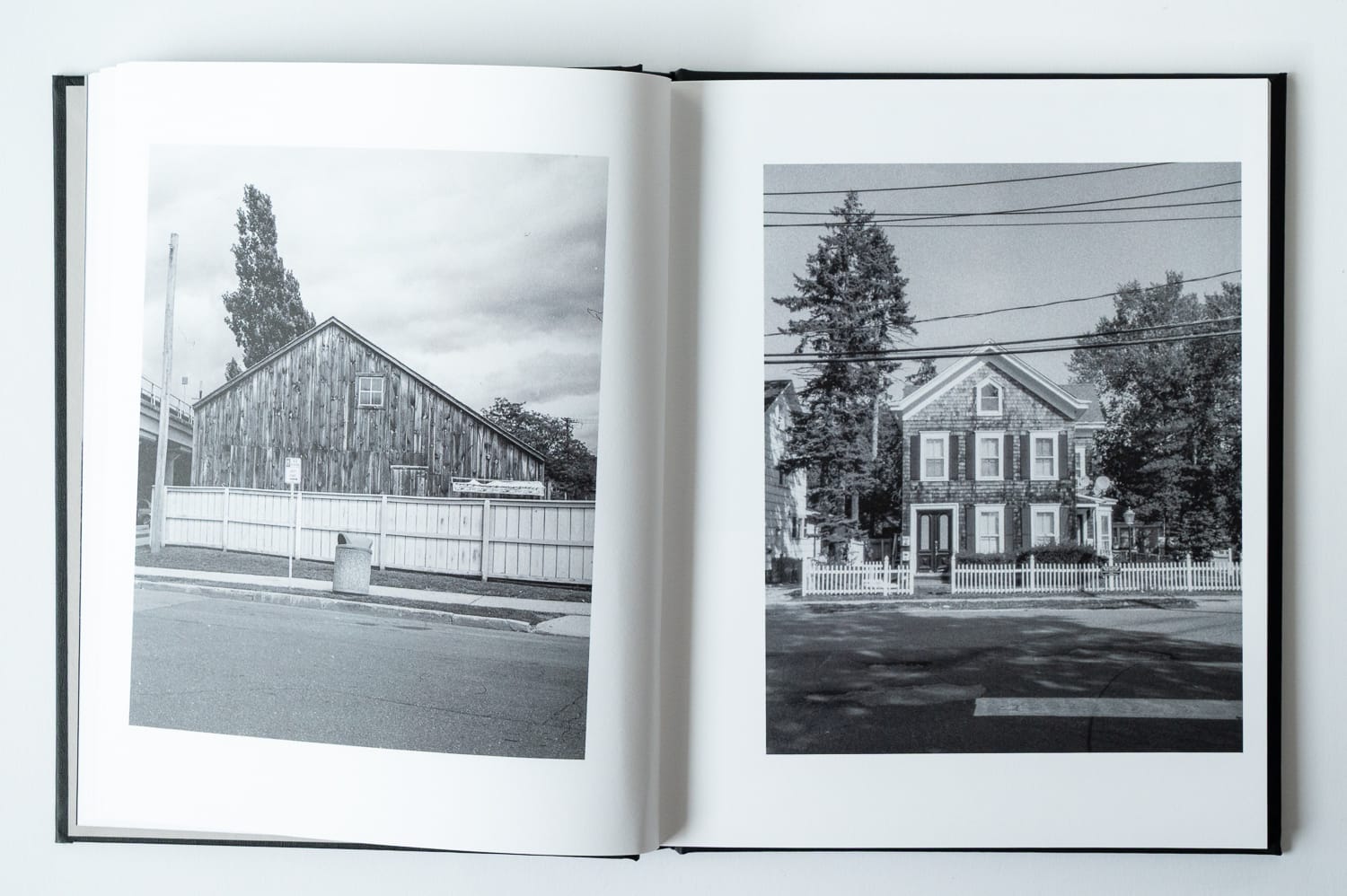
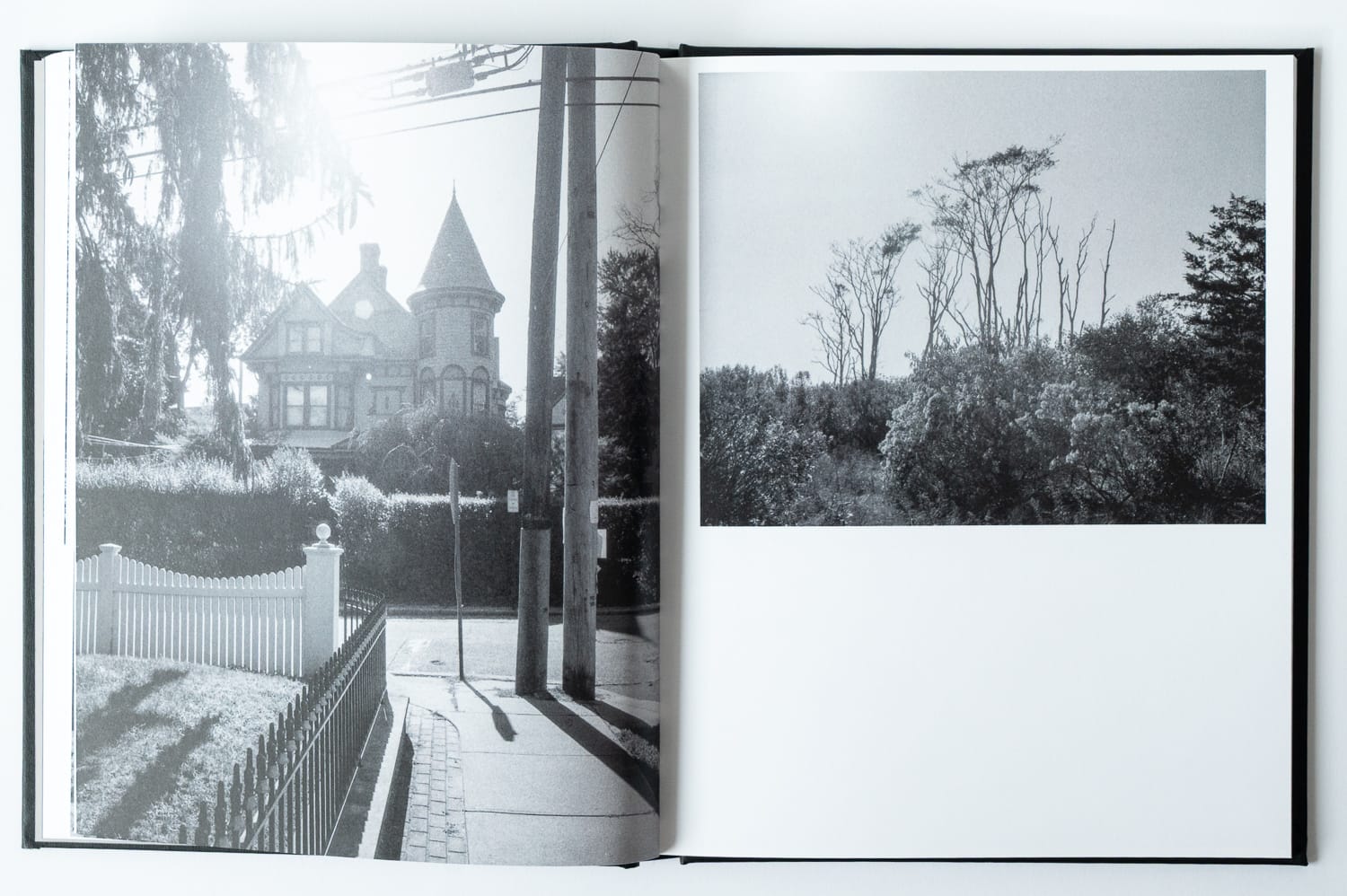
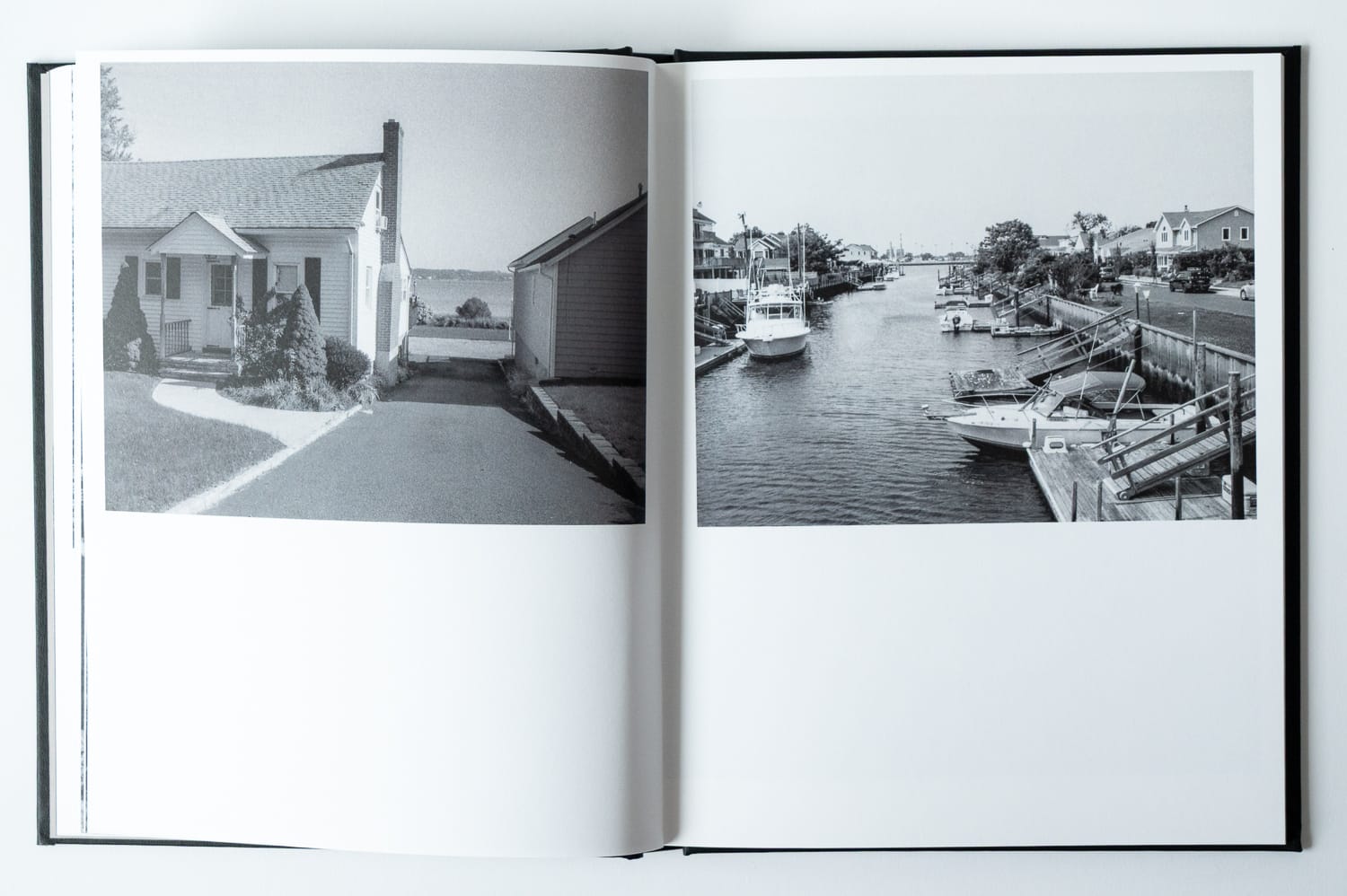
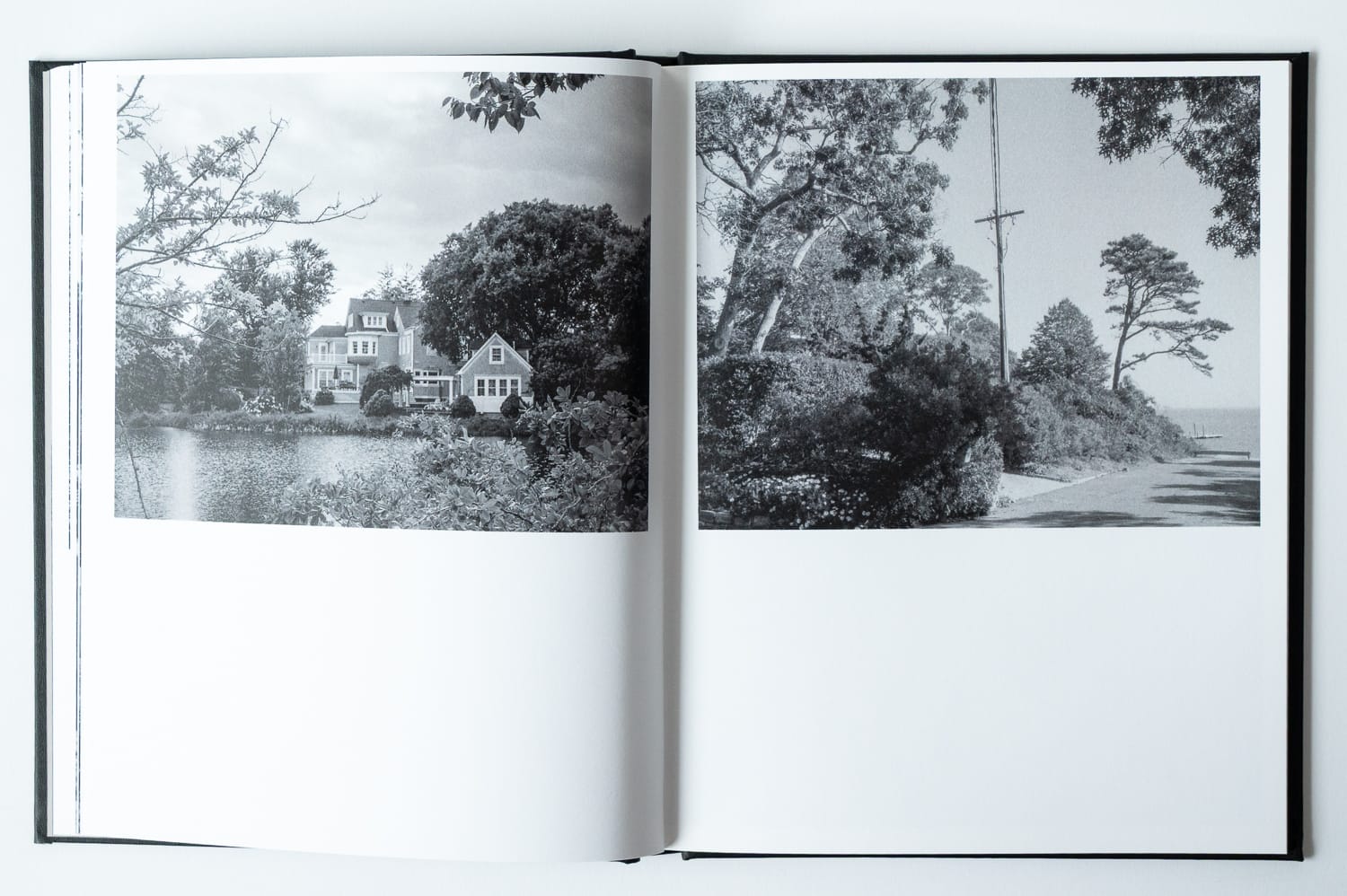
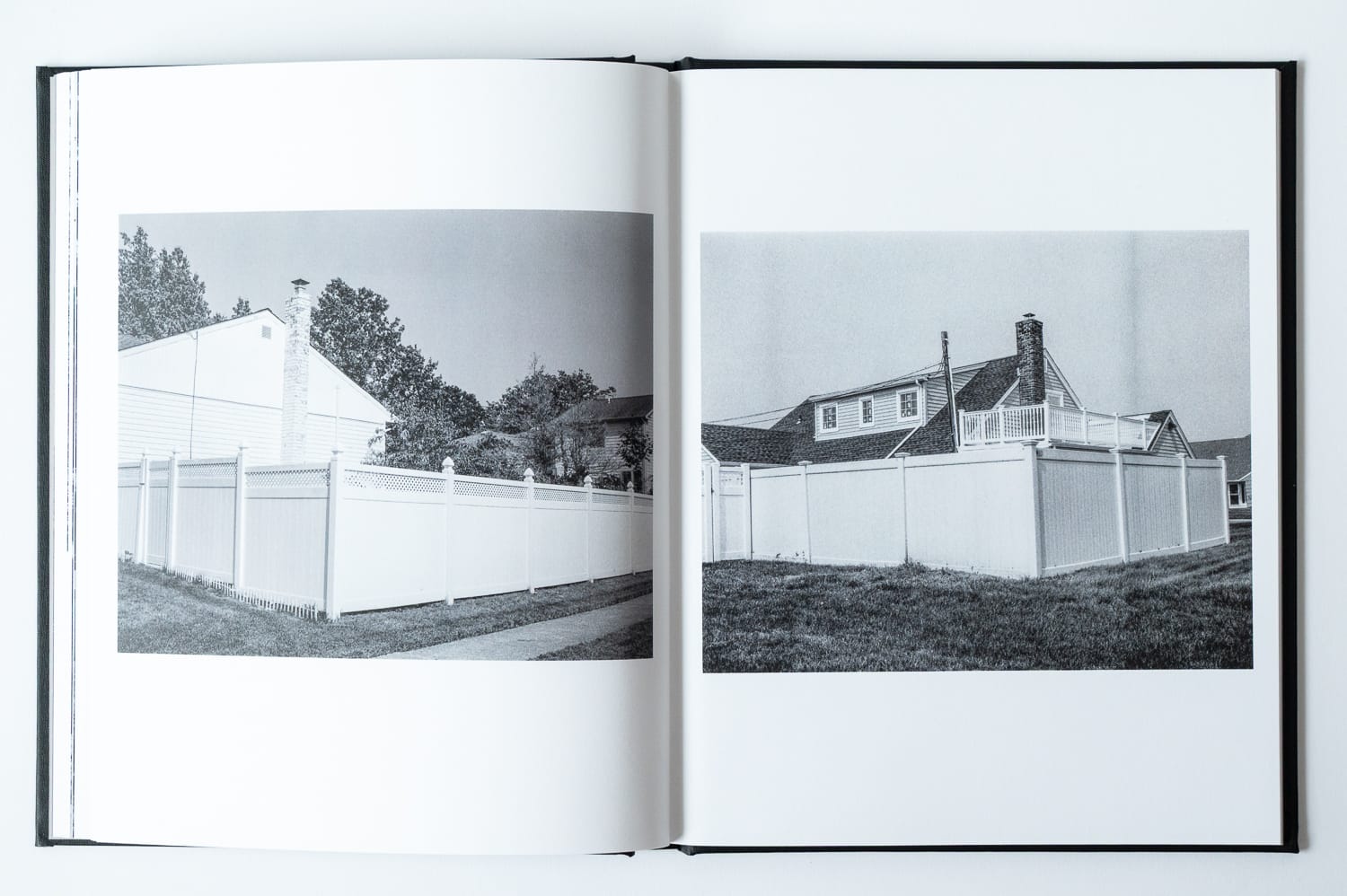
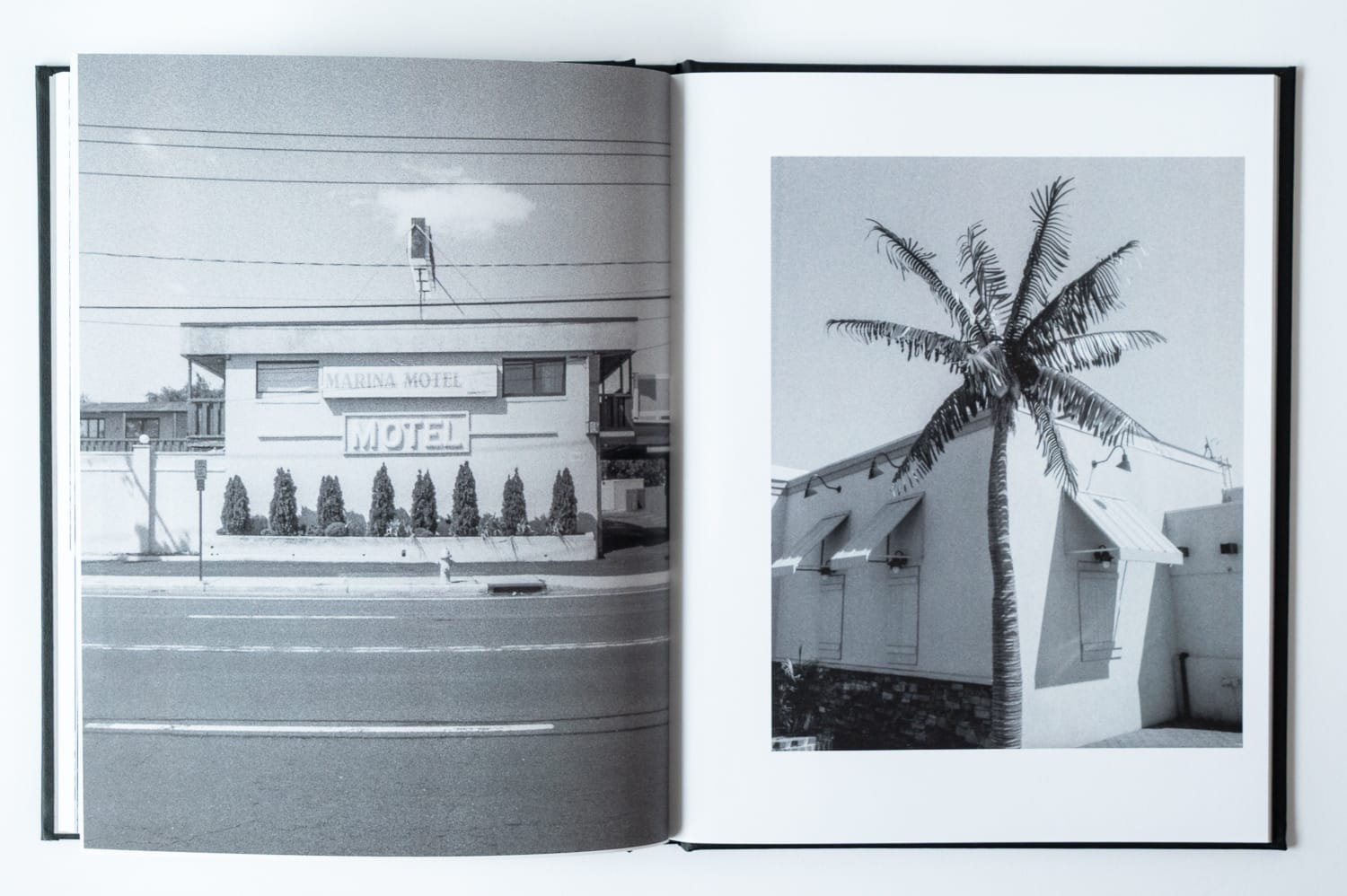
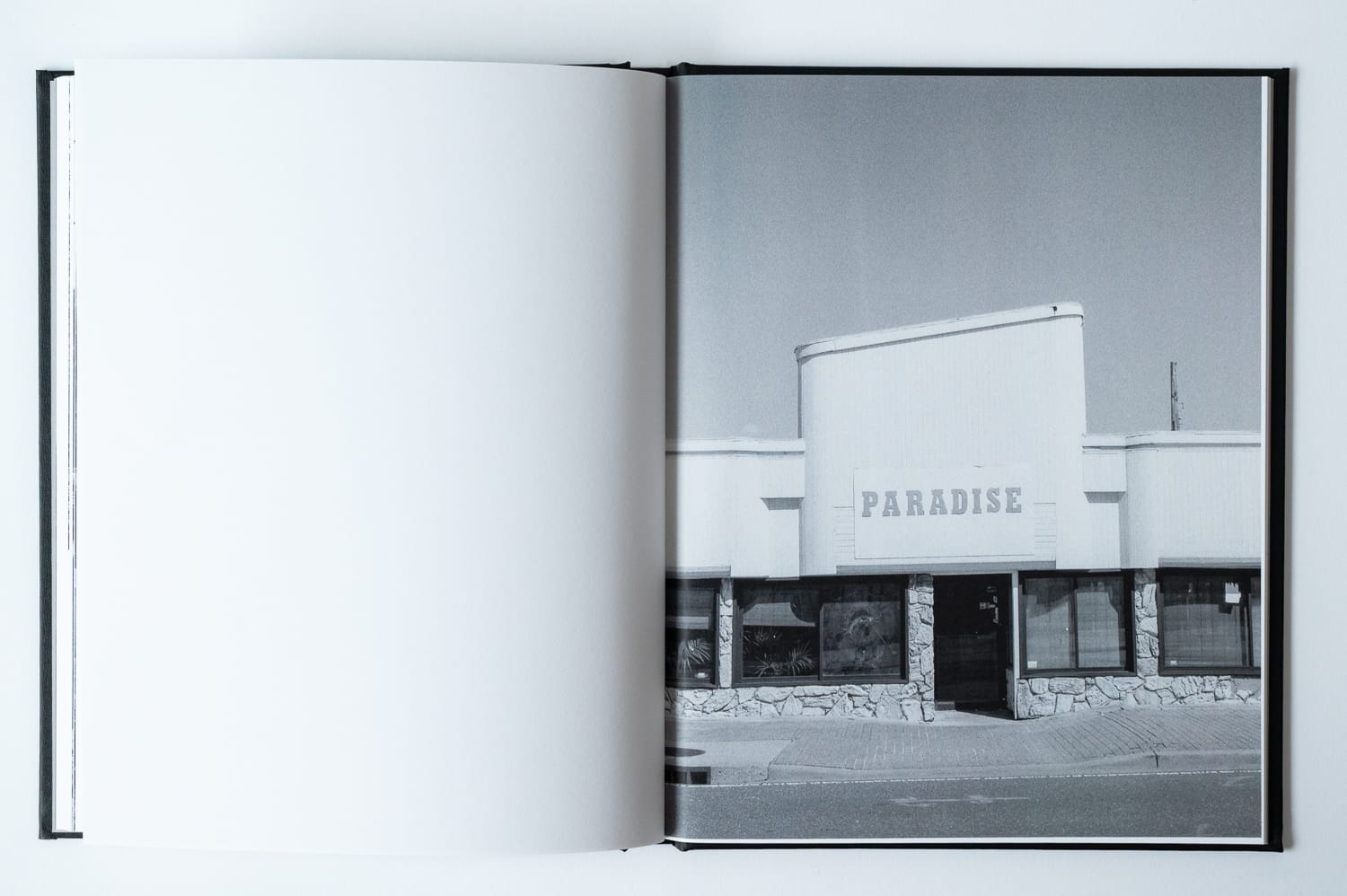
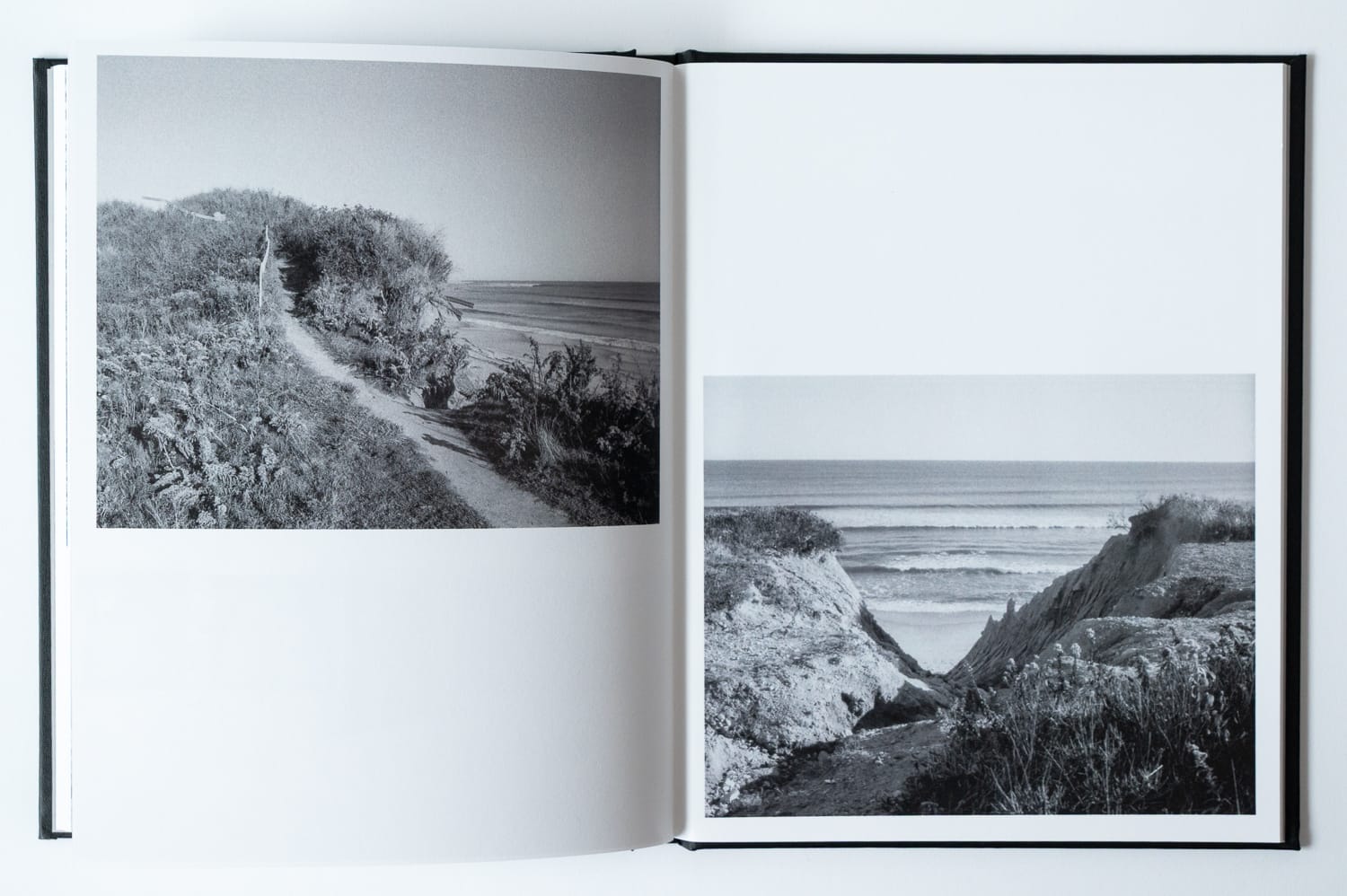
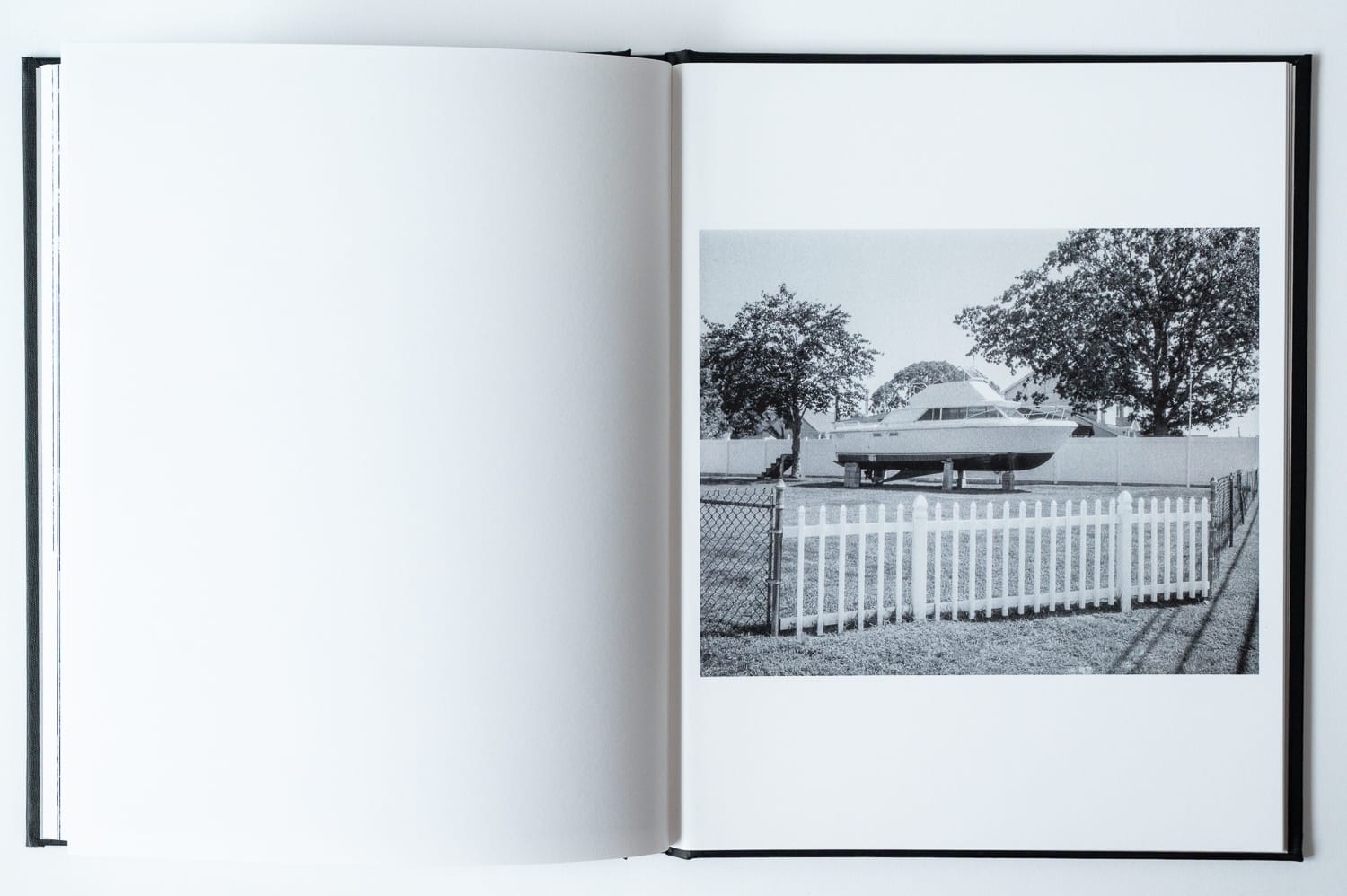
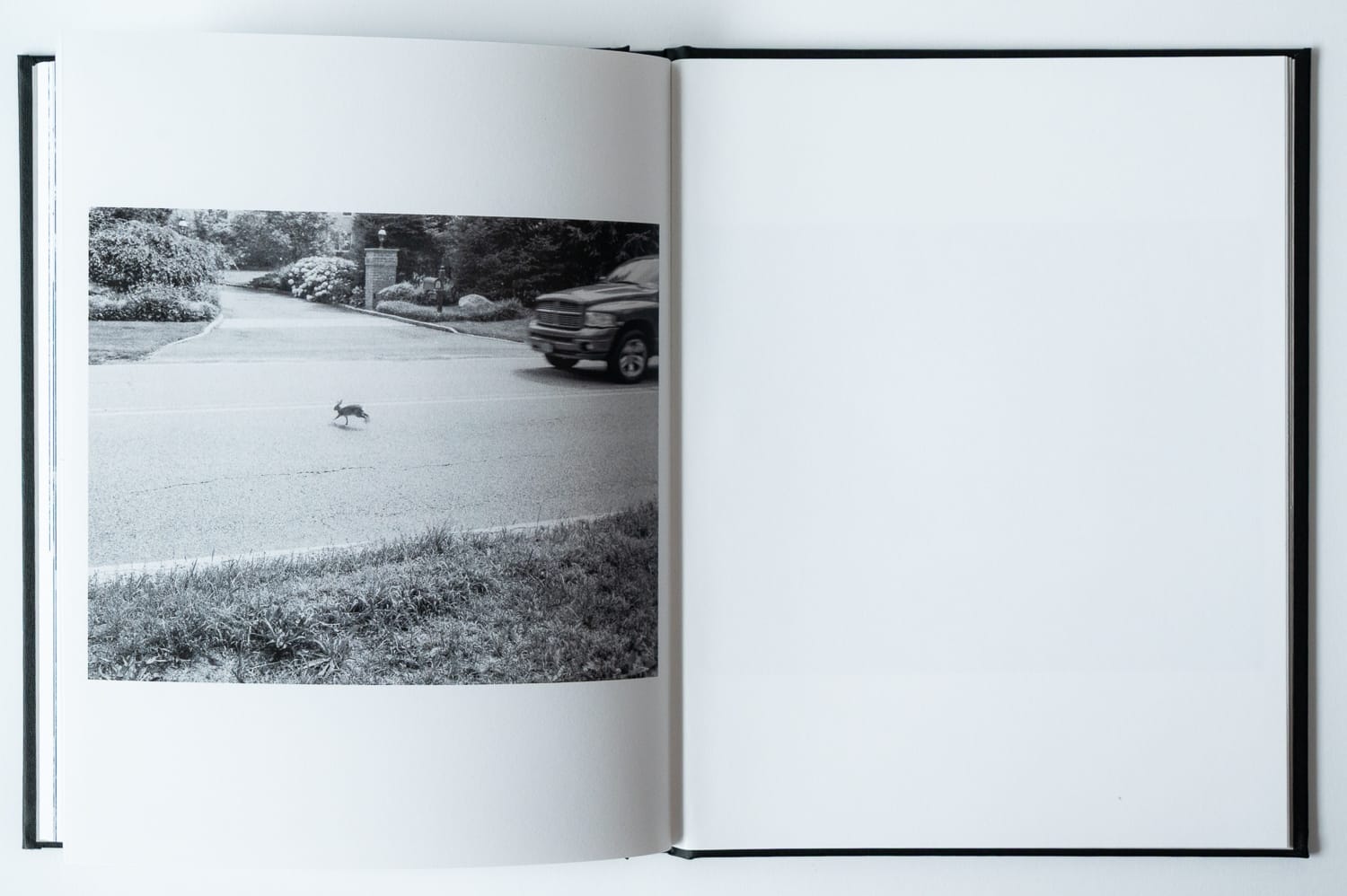
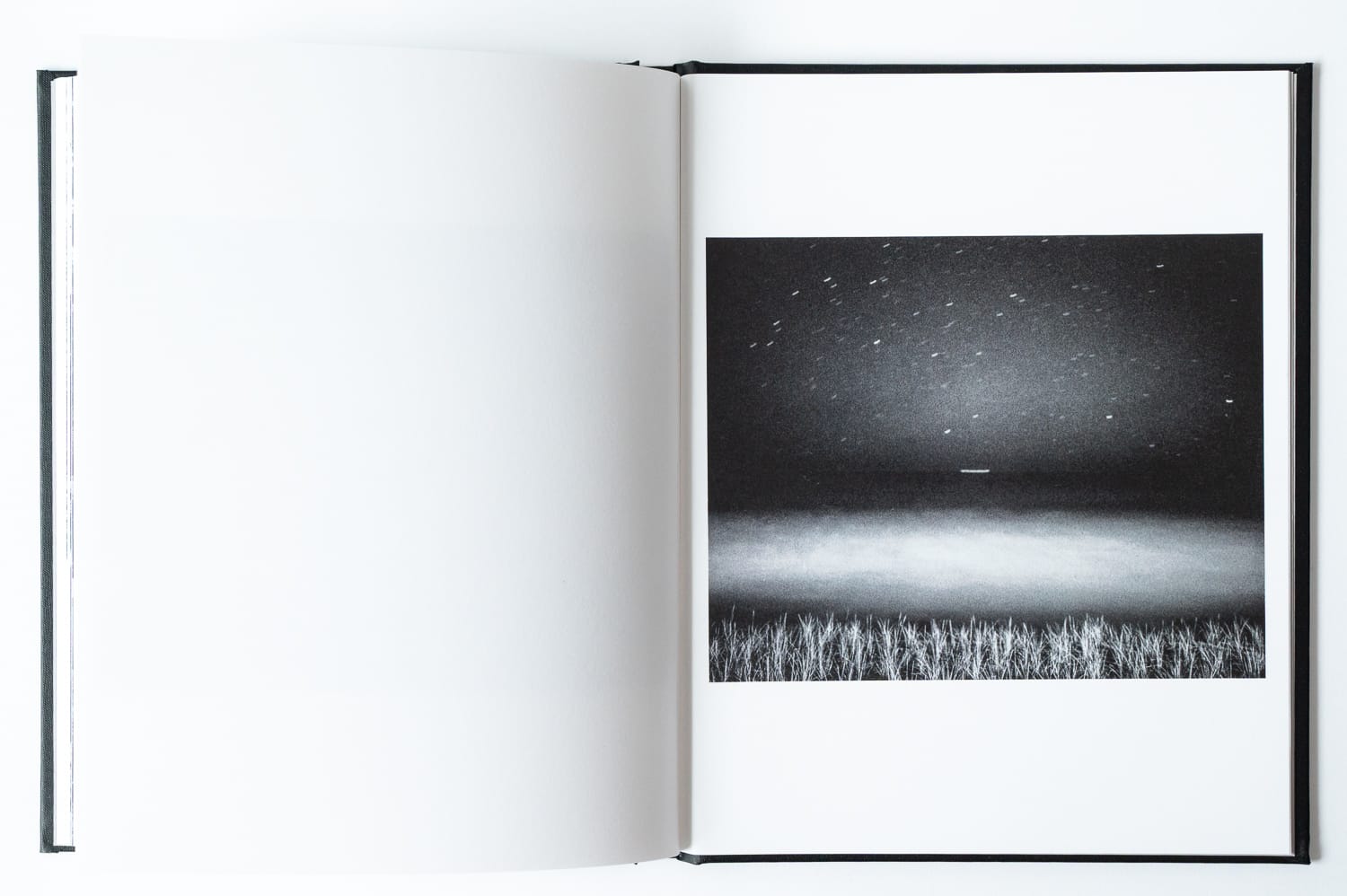
View more spreads on the project page.
Alongside this volume
A few pieces I've been thinking about while finishing this book:
The End: My pal Alex Wolfe walked from Brooklyn to Montauk.
One Long Island man's mission to visit all 126 LIRR stations: Long Island resident Rick Guidal set out to visit and document every single one of the 126 LIRR stations.
The Eugene L. Armbruster Collection: 5,800 photographs of Long Island taken during the period 1890 to 1930.
Wonderland (1997) dir. John O'Hagan: A humorous and human look at Levittown, New York, America's first mass-produced suburban community, where residents were assigned to identical houses in alphabetical order.
More from the archive soon.
I’m a photographer based in Minneapolis working on long-duration projects centered on walking, cities, and public space. This newsletter shares periodic dispatches from that work, along with selected images and related references. Selected work also appears on Instagram.