Dispatch: Carspace LA + Interview with Immaterial Voices
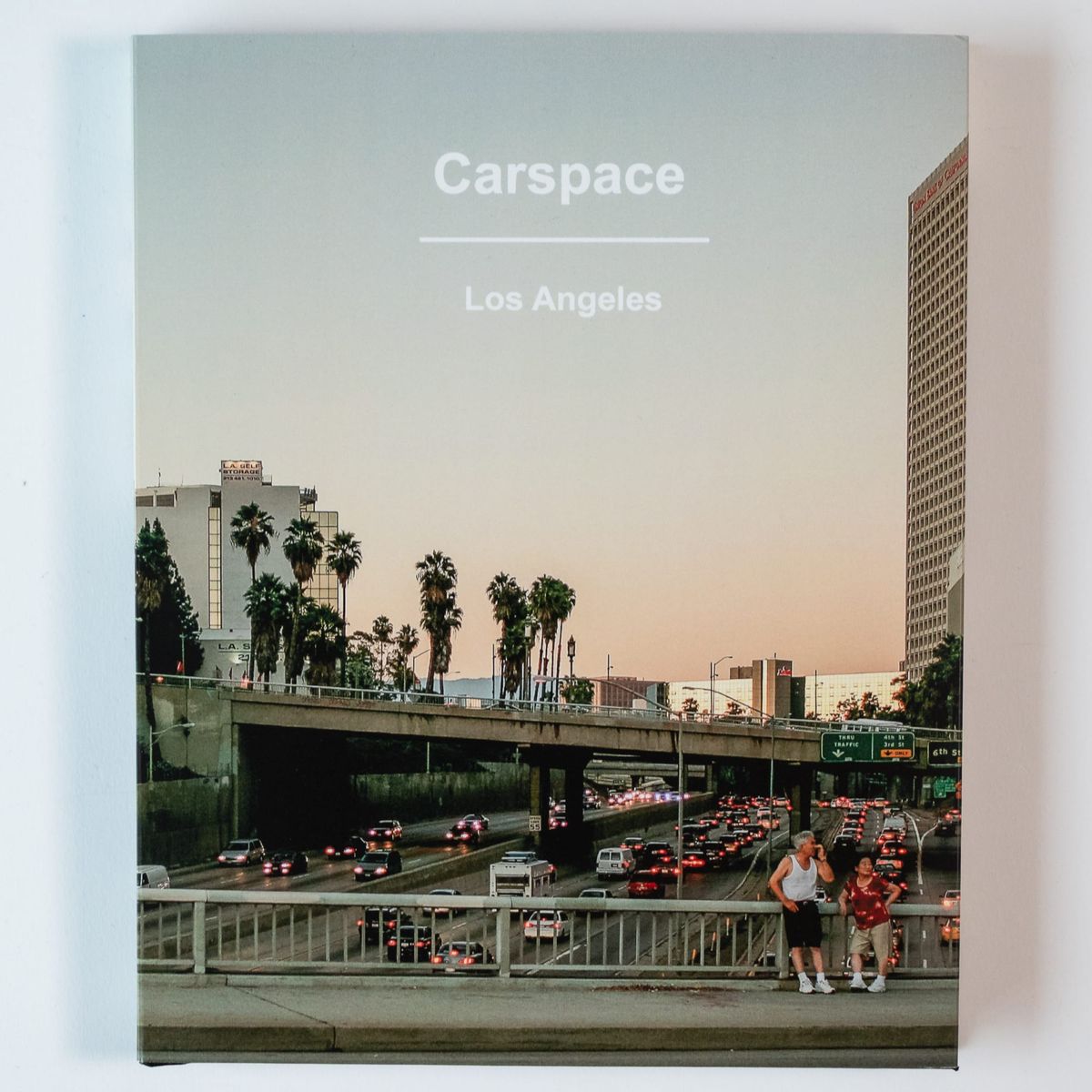
Carspace Los Angeles
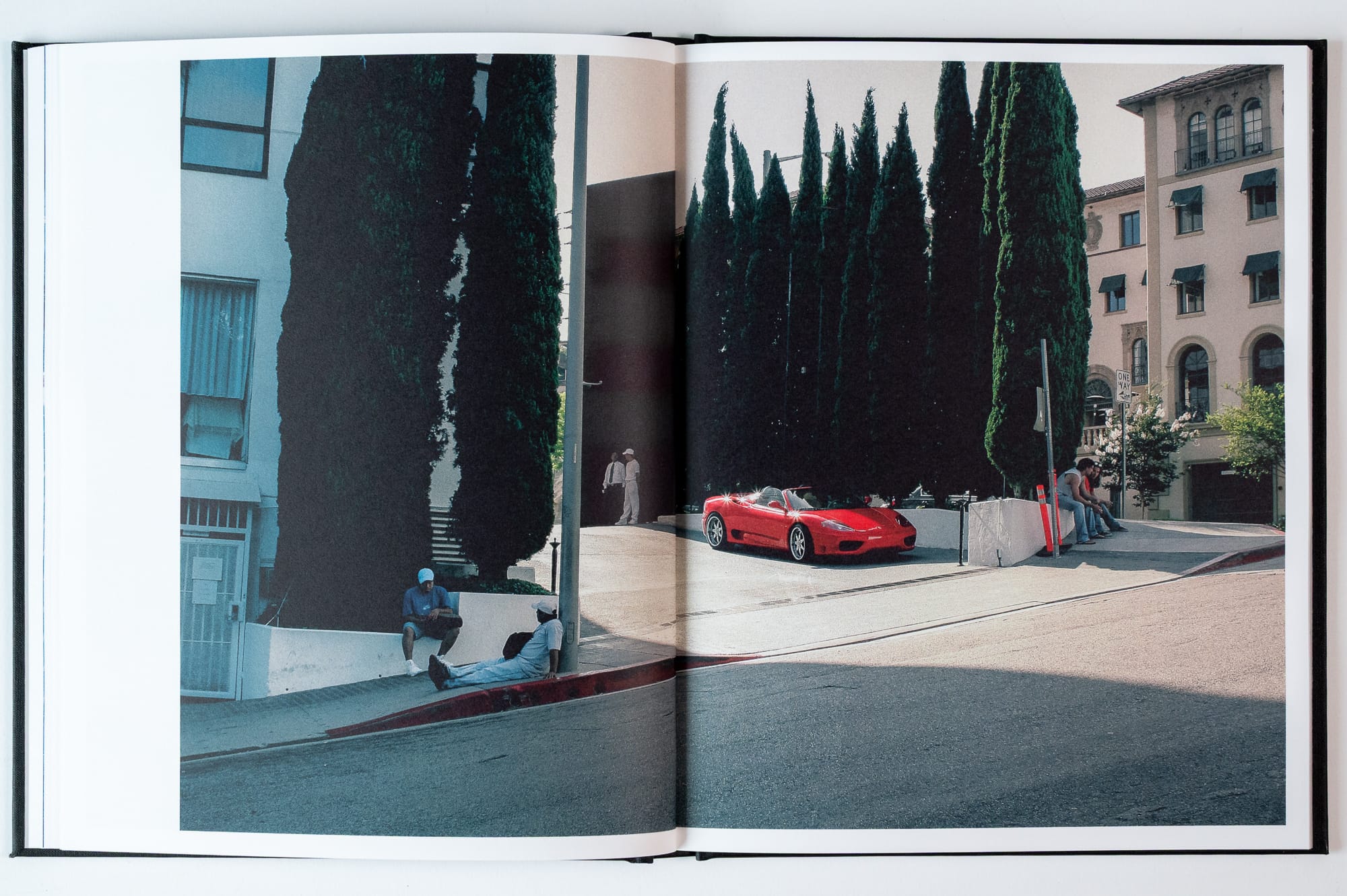
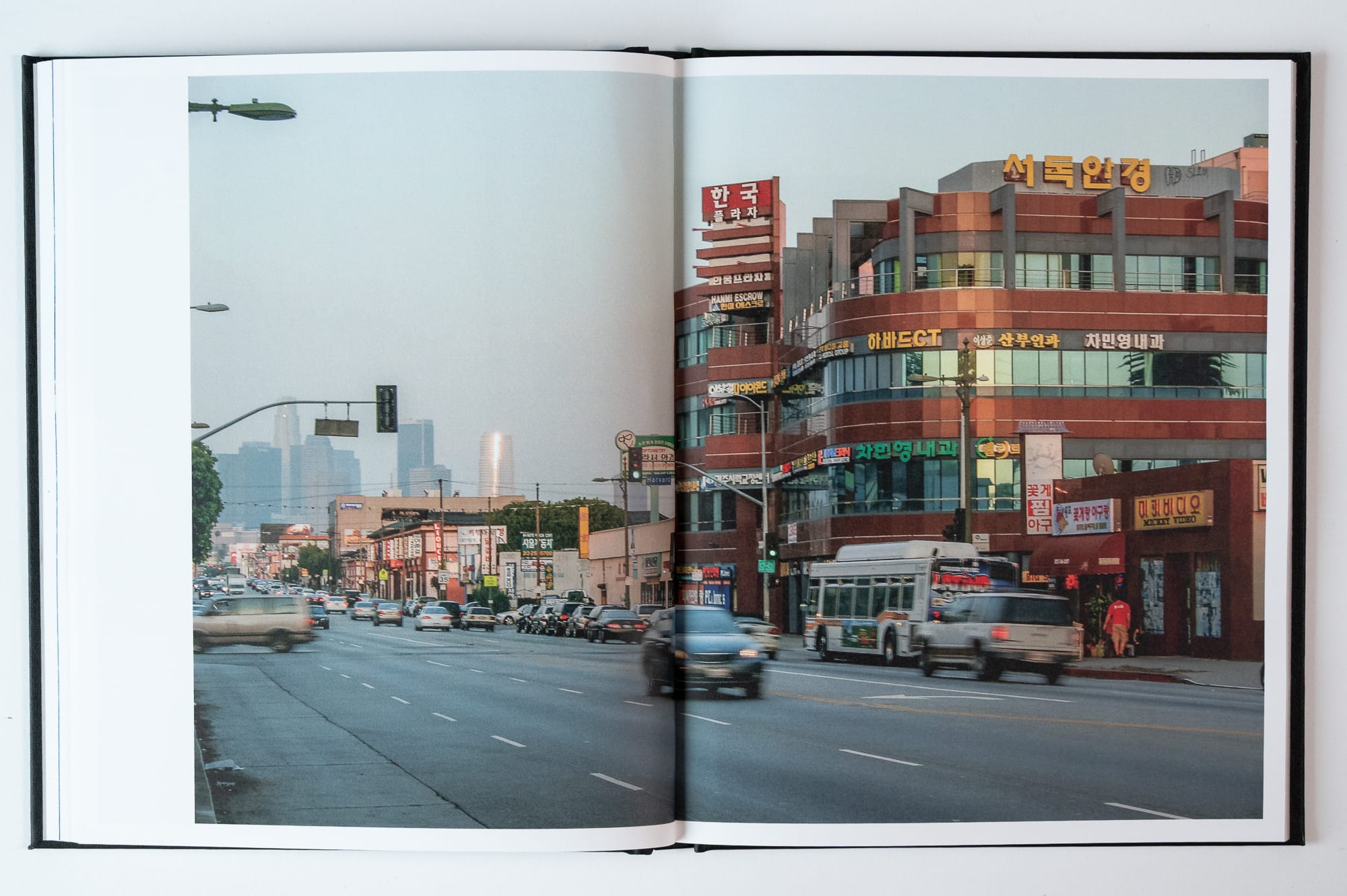
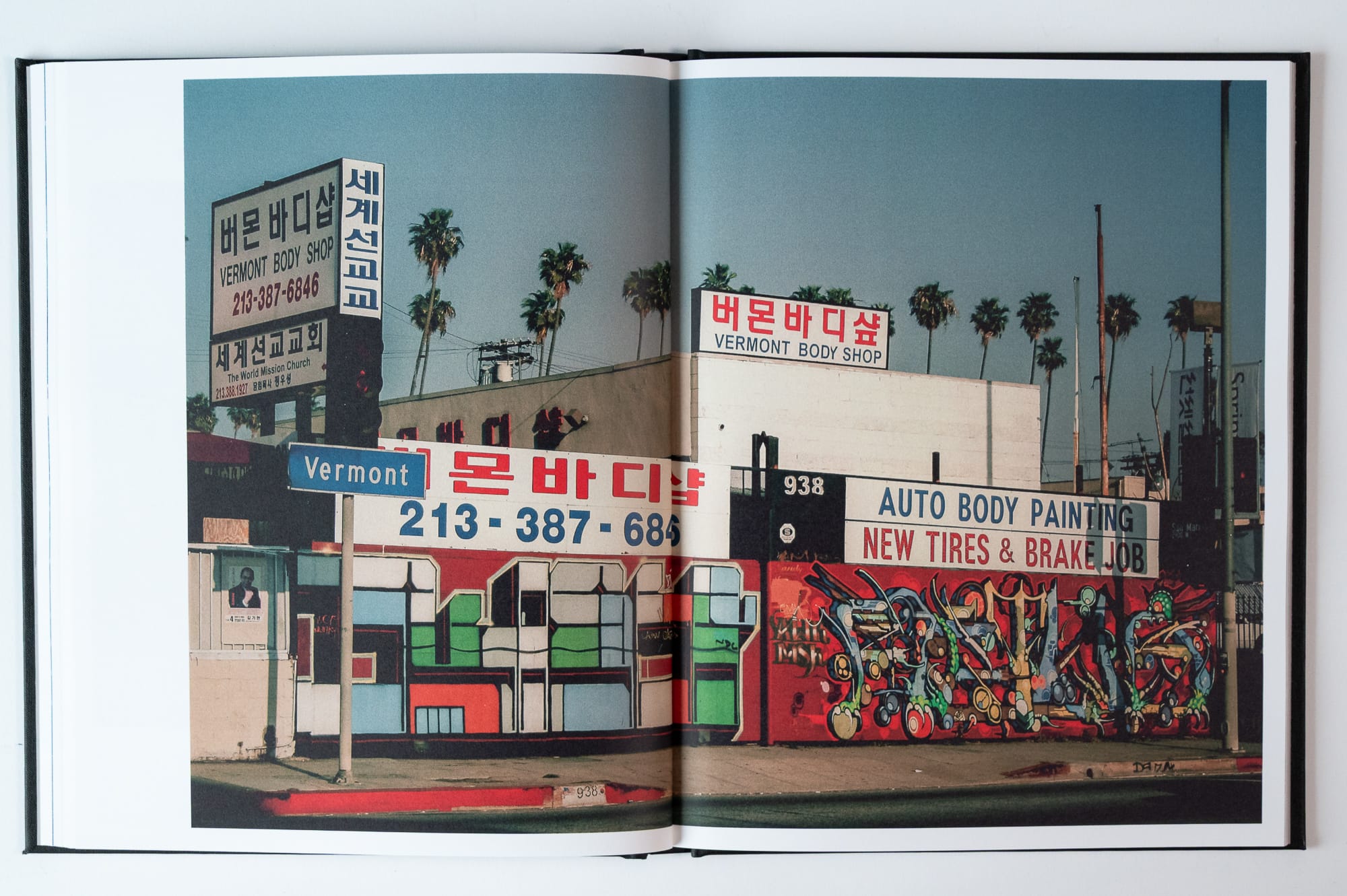
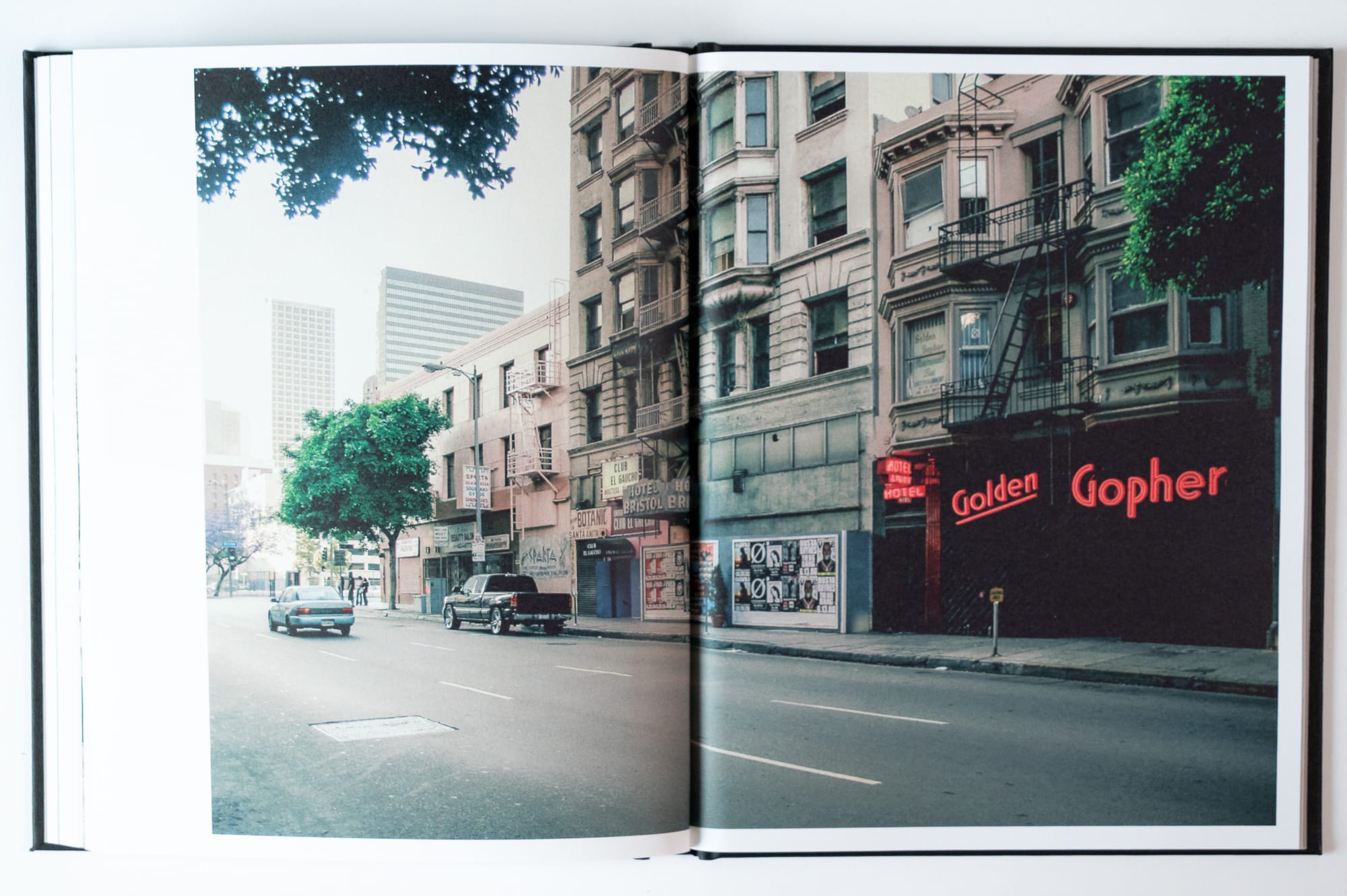
When I started making photographs in Los Angeles in 2005, I didn't approach it with any project or firm theme in mind. I knew I wanted to get outside and walk the city, so public spaces became the anchor by default.
When you're beginning, one of the key choices you need to make is around the camera you're going to use. I don't often talk about gear because in the grand scheme of things it's not the most important aspect of any photography practice, in my opinion.
In LA, my first camera was a Canon PowerShot, which I used casually, but once I got hooked on documentary photography I knew I would need to upgrade, so I bought a Canon 20D. The key with the camera decision is that it removed my doubt about whether I was prepared to pursue the work seriously, so in some way it was a placebo for my confidence.
I ended up in Los Angeles after transferring from my job in Minneapolis in 2004. The exact motivations aren't necessarily relevant. Sometimes we move when we're younger for a sense of adventure and novelty. The job took me to Downtown Los Angeles, to a large office tower on Figueroa St.
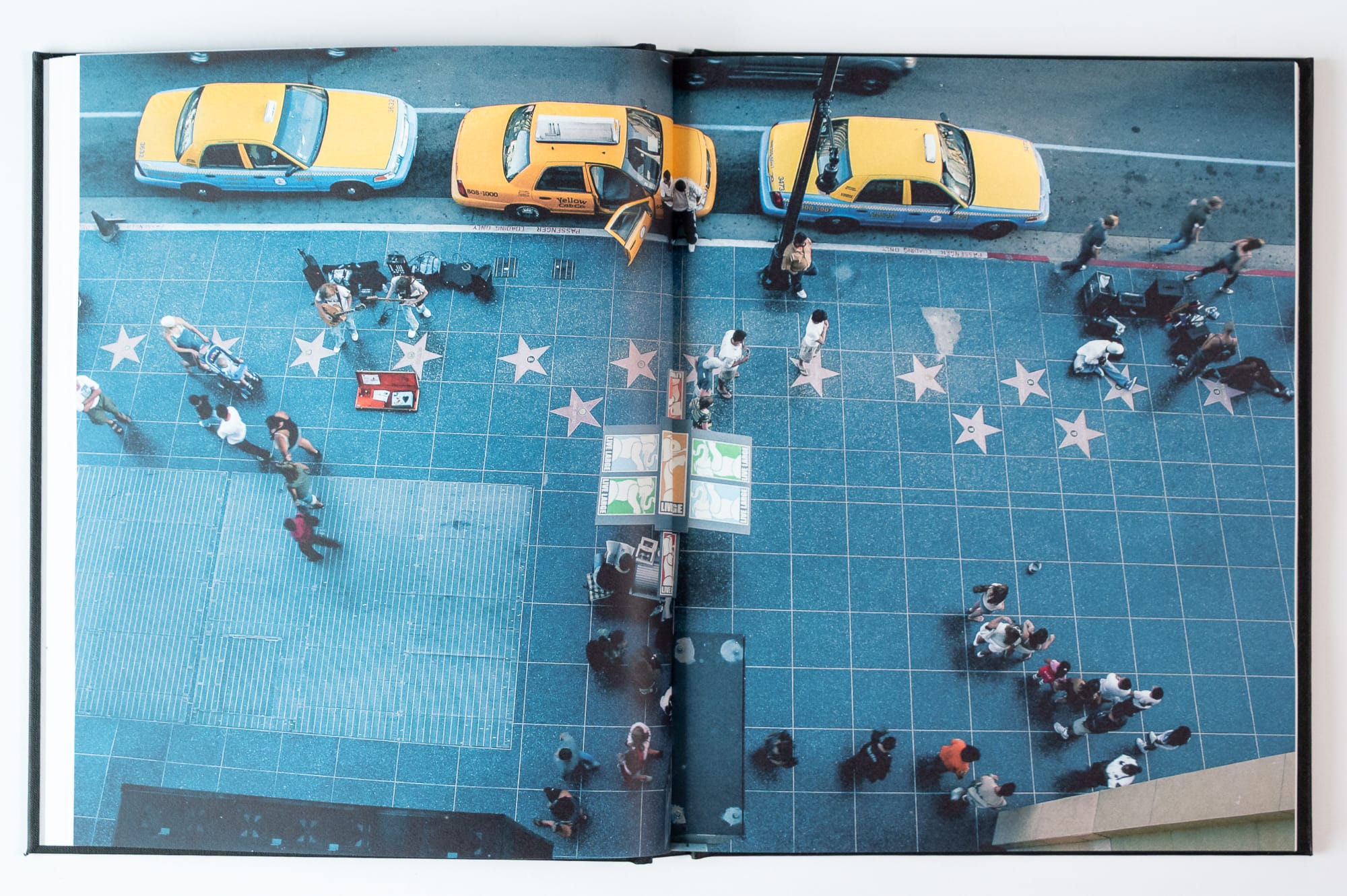
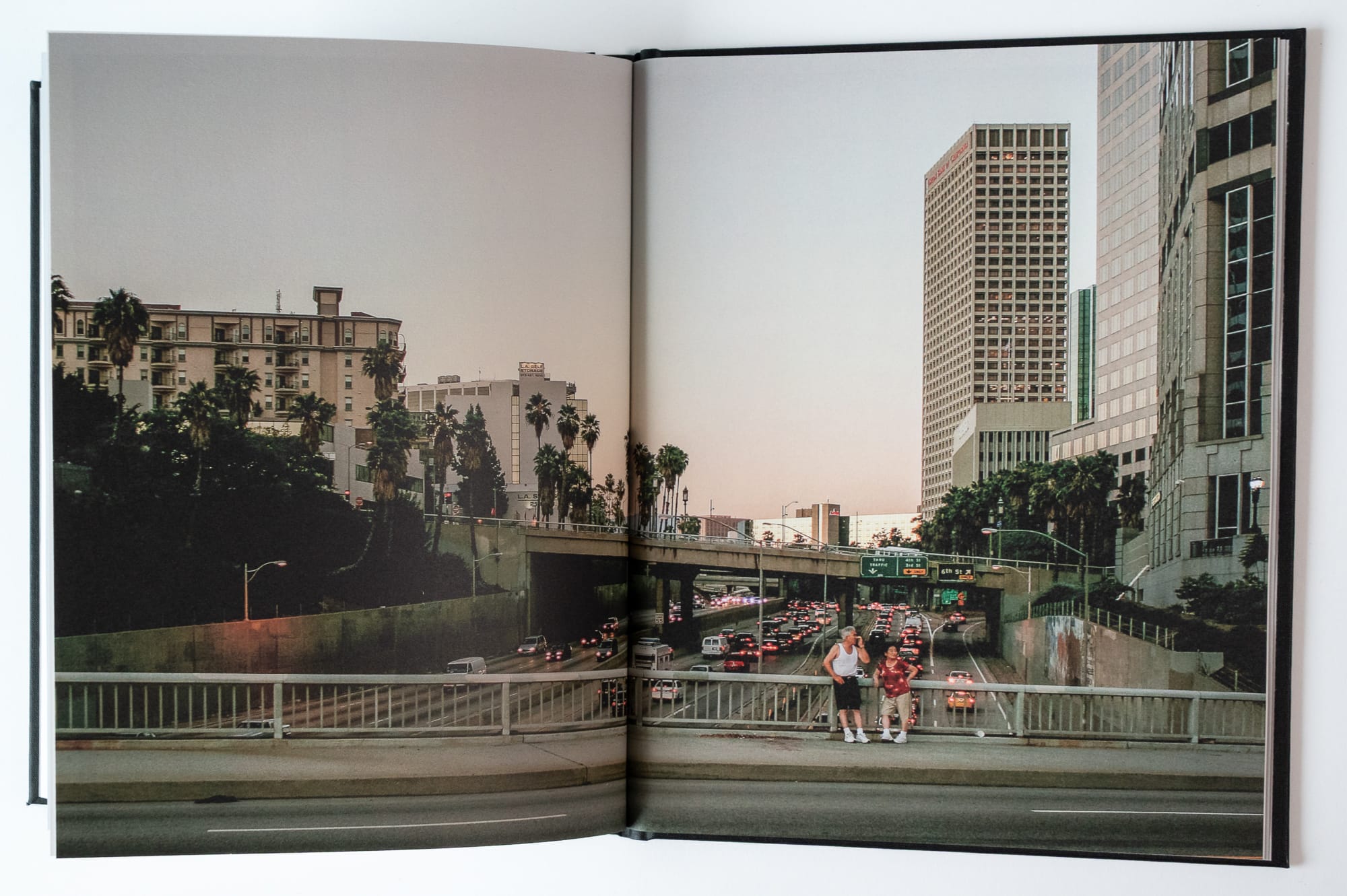
I was instantly fascinated by the downtown geography, the transit, the density, and the history. I spent lunch breaks and often an hour or more after work walking and making photographs. Broadway, Figueroa, Pershing Square, watching how the light came down between the buildings and how the pedestrians scurried about, mingling with car traffic. That eventually expanded into longer walking explorations of Hollywood and the west and east sides.
After about six months I moved on to other cameras and began working on specific projects. These photographs ended up orphaned in the archive for years.
Arriving at Carspace
Over the last decade, I have developed the themes around public spaces and transit through my ritual walking and research. Along the way, through the editing process, I started to re-evaluate the full scope of my archive, which I think is natural for most serious photographers. That process led me to publish Carspace: New York last year. While working on that project, I arrived at a definition, or statement of sorts.
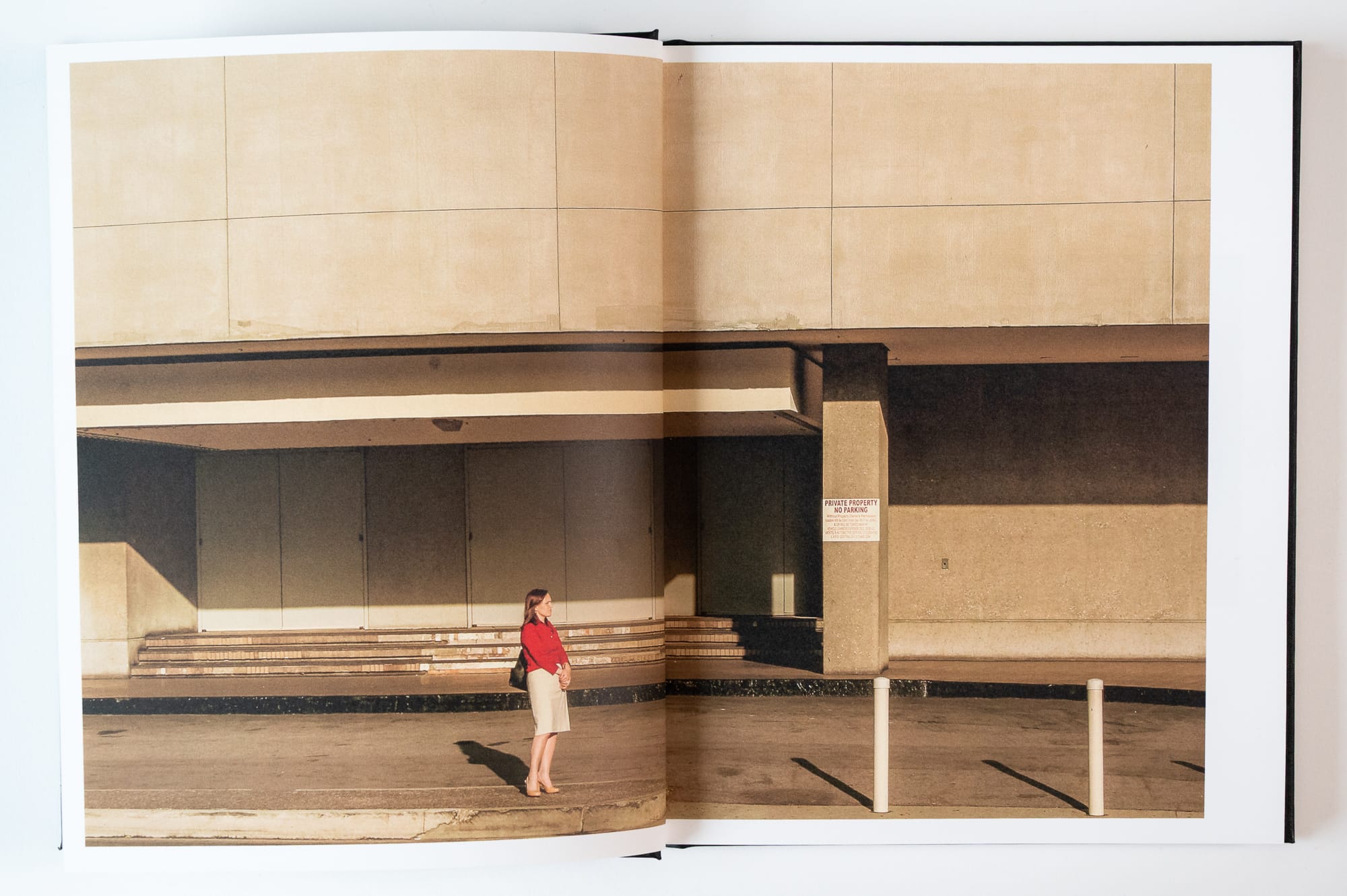
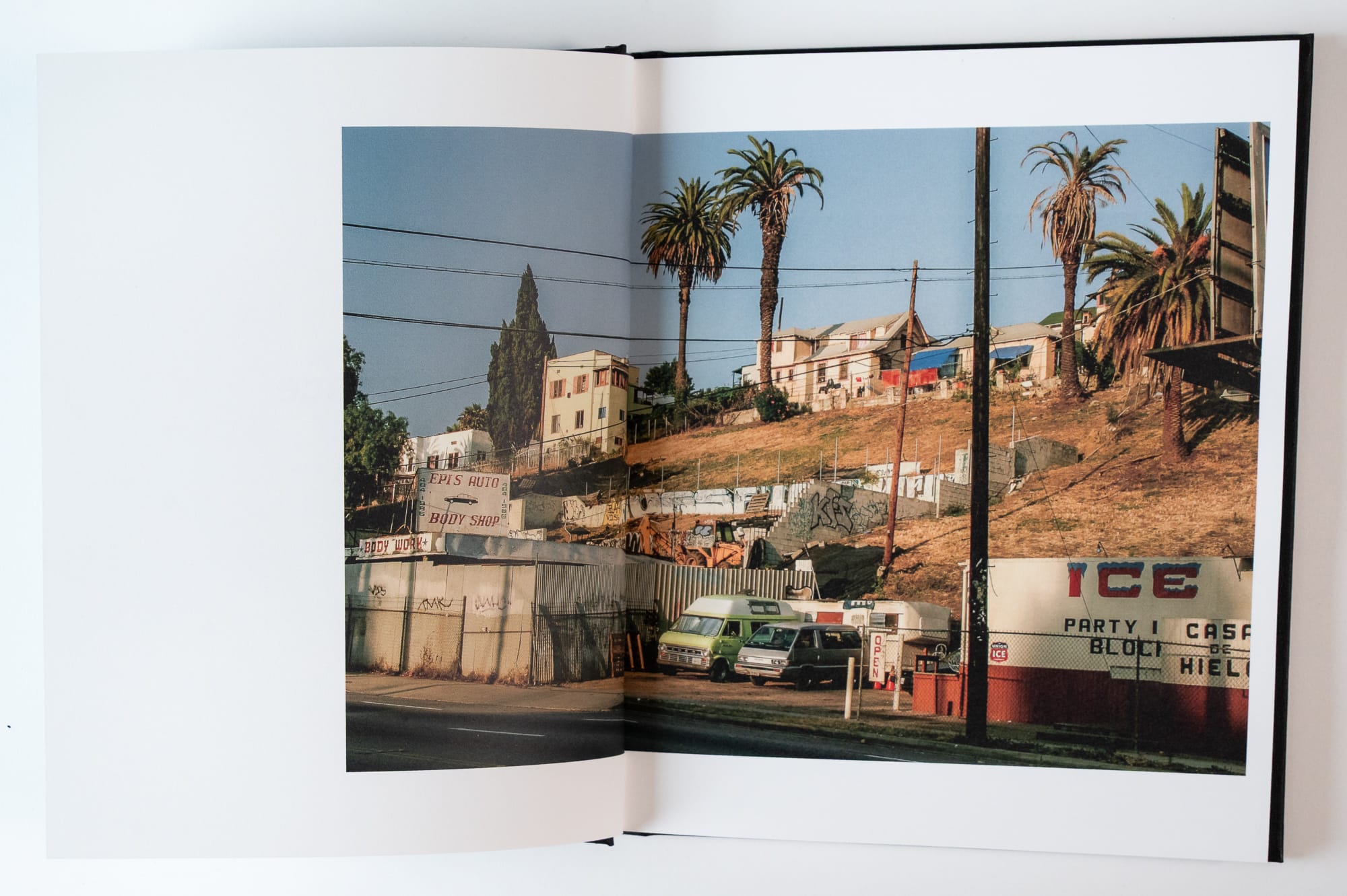
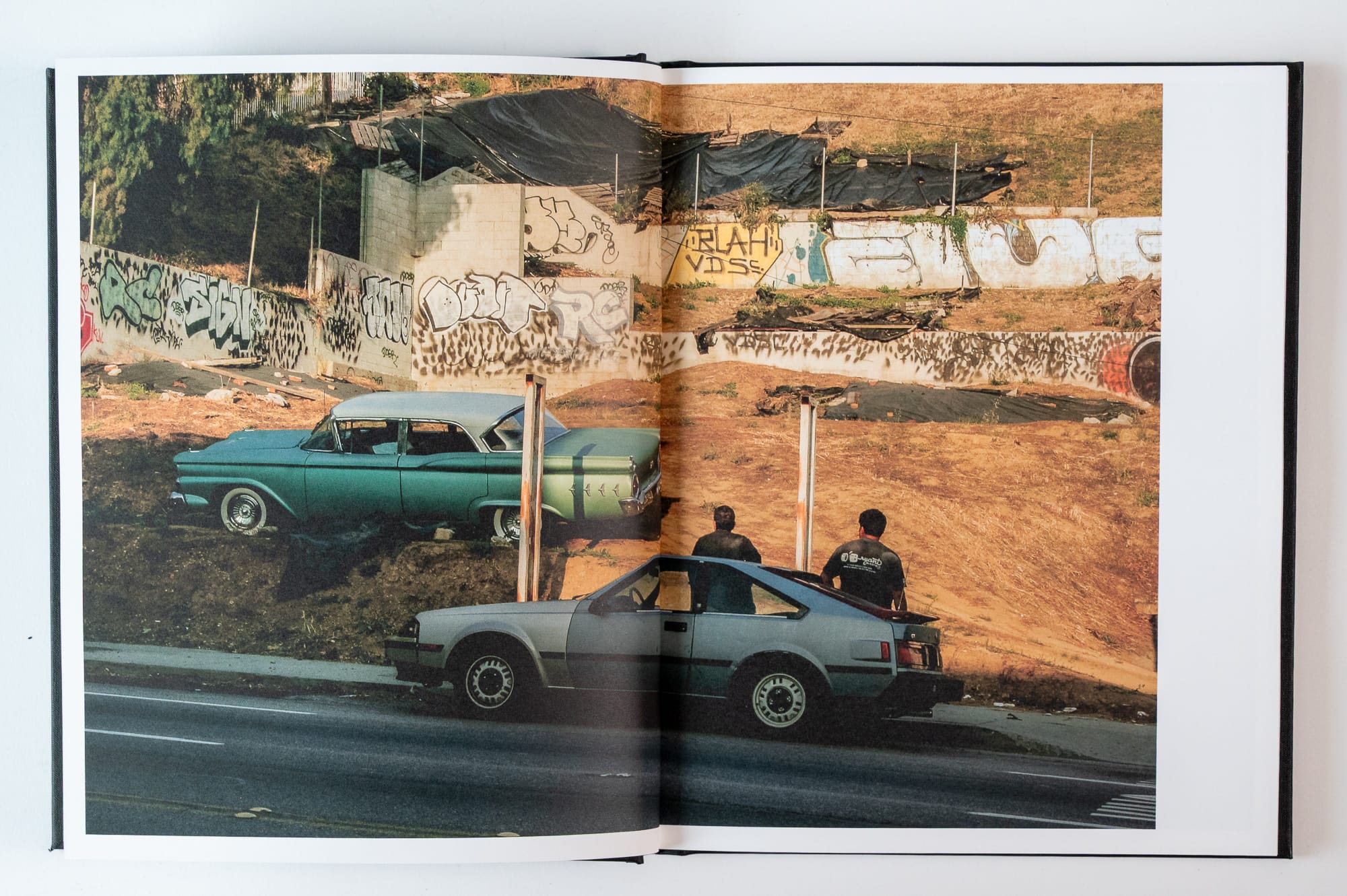
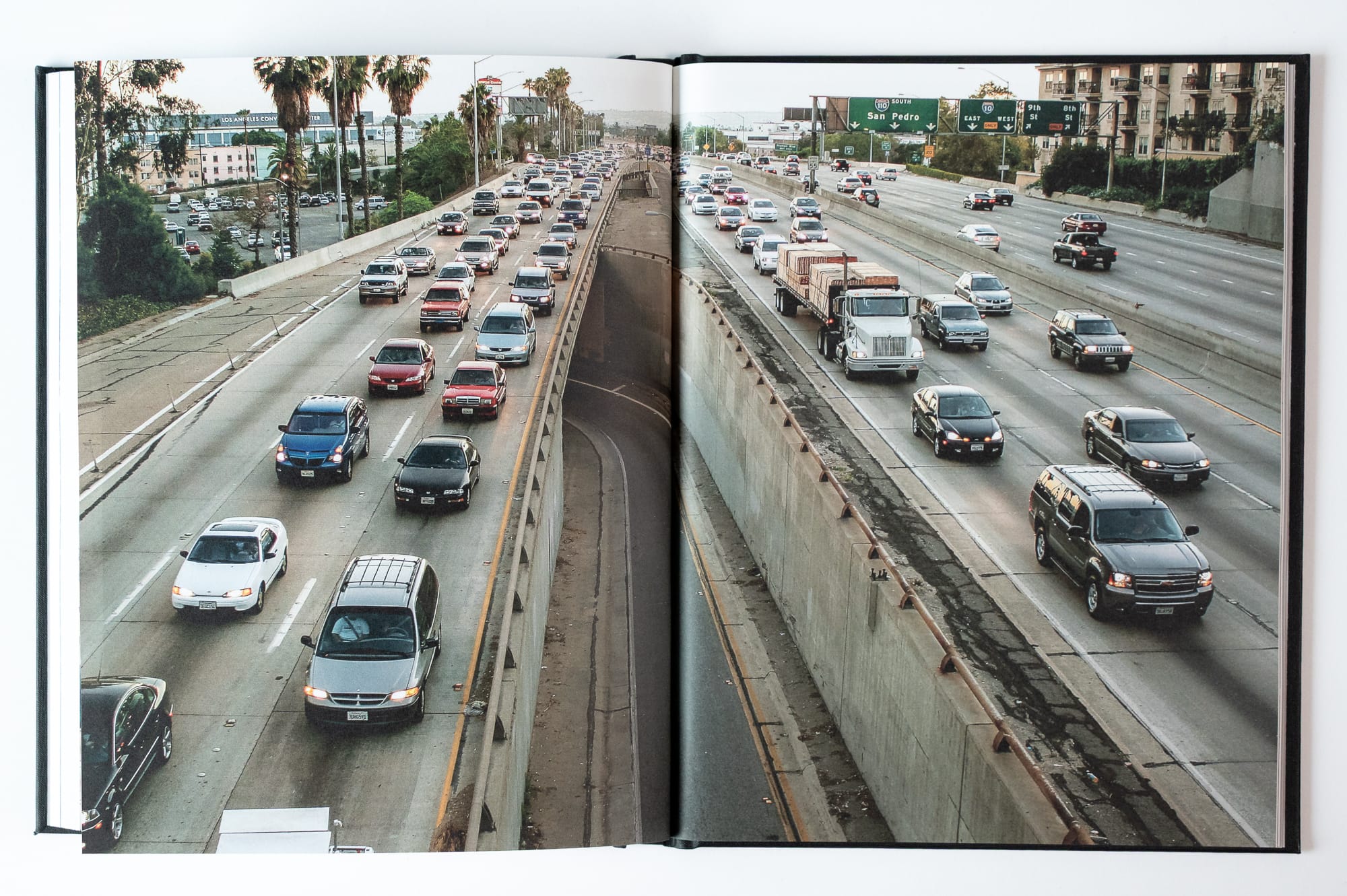
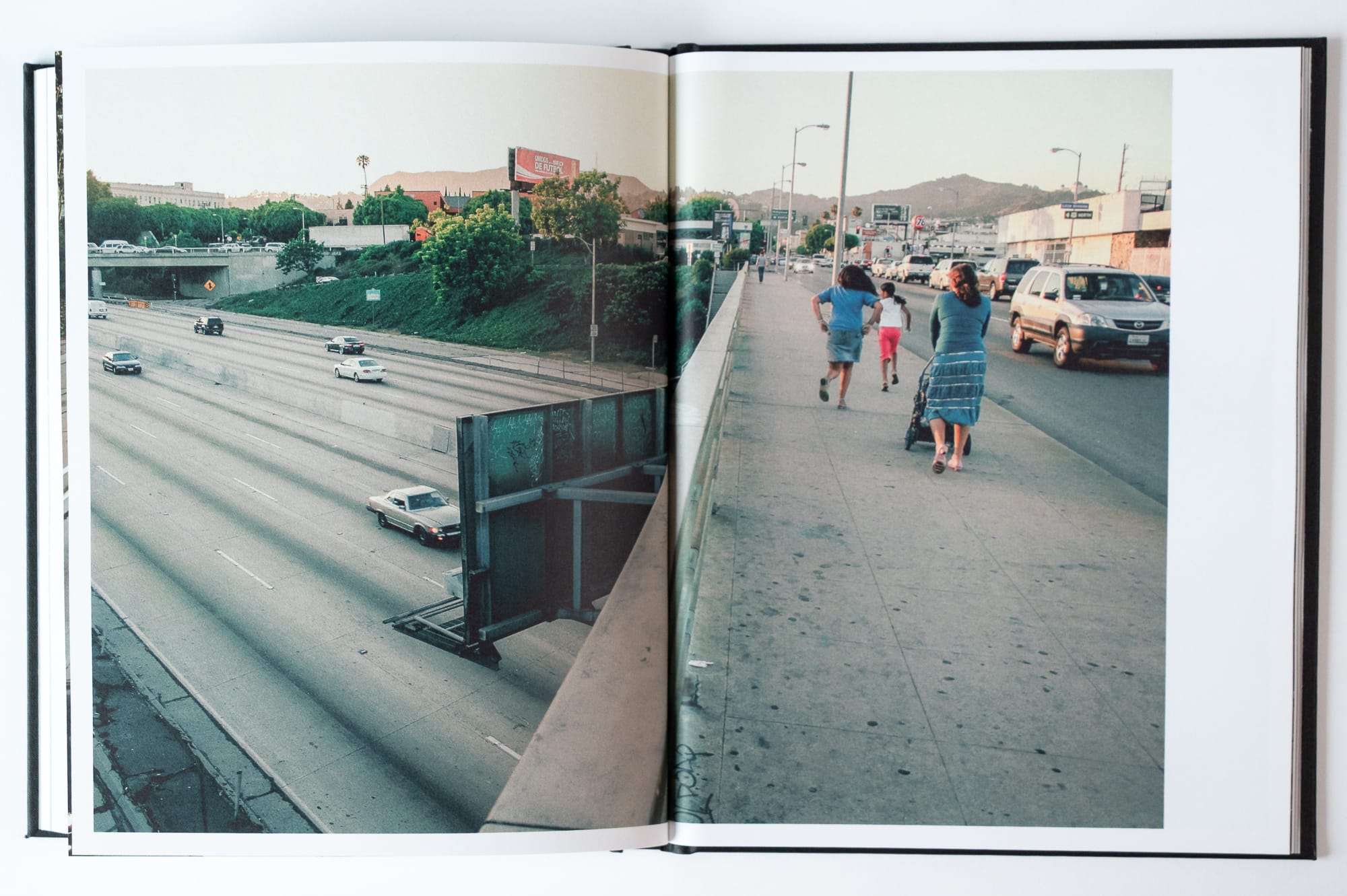
Carspace is the total urban area dedicated to automobile related activities, including roadways, parking facilities, service stations, and other infrastructure supporting vehicle use.
While editing the New York book, I had those early Los Angeles photographs in the back of my mind and eventually returned to them to confirm my hunch that there was enough interest in them to form a cohesive edit. Most people probably understand that Los Angeles is perhaps the city most synonymous with car culture. The obscene infrastructure of its freeway maze is practically a symbol of Americana.
What binds this work together is that Los Angeles is where I finally became car free, in 2006, right around the same time I was making these photographs. It seems obvious now as I look back, but it's hard to recognize those motivations as you are living them out. Time has an amazing ability to compress the choices we make into cohesive narratives that we build for ourselves.
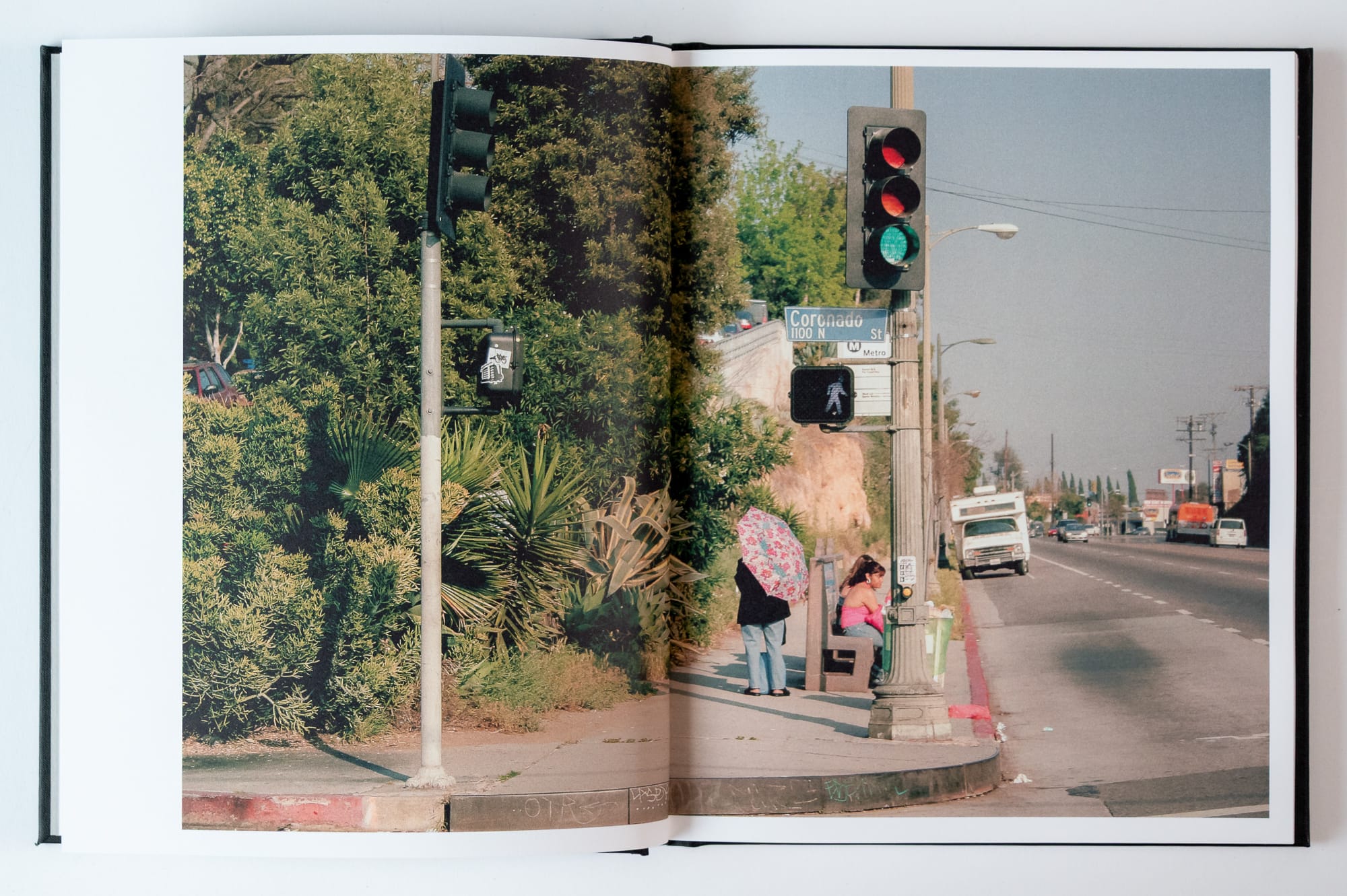
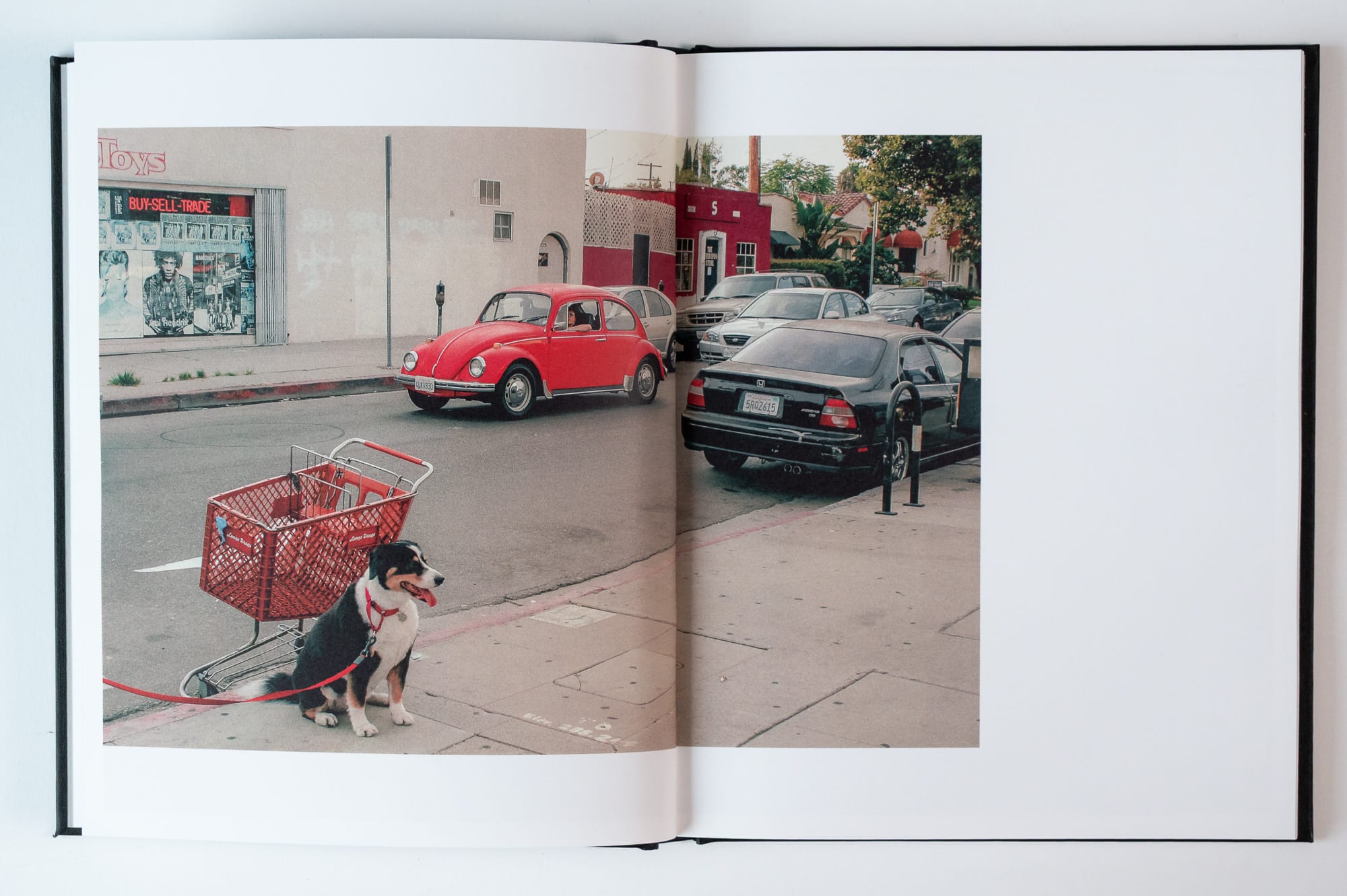
Trilogy
The LA edit came together quickly. I knew exactly what I was looking for and there were enough photographs to carry the book. The symmetry with the New York volume was apparent and confirmed my hunch. When I published the New York book, I started to look for similar scenes while out walking in Minneapolis, so I knew quickly that I could have a trilogy, considering these are the three cities I've spent the most time in over the last 20 years.
Carspace: Los Angeles also completes the Los Angeles books, alongside Notification of Filming and Genesee Palms. Three volumes from a period of four years, arriving twenty years late and in the wrong order, but that's how the process works. It might seem crystal clear today, but during the accumulation period there's a lot to work out and think about.
Eventually I may edit all three Carspace volumes into a single unified book. In that sense the trilogy also functions as a testing ground. Three cities, three separate edits, and the idea gets refined each time it is put to work in a different place. This is the part of the process I enjoy the most, so I'm happy to share the results.
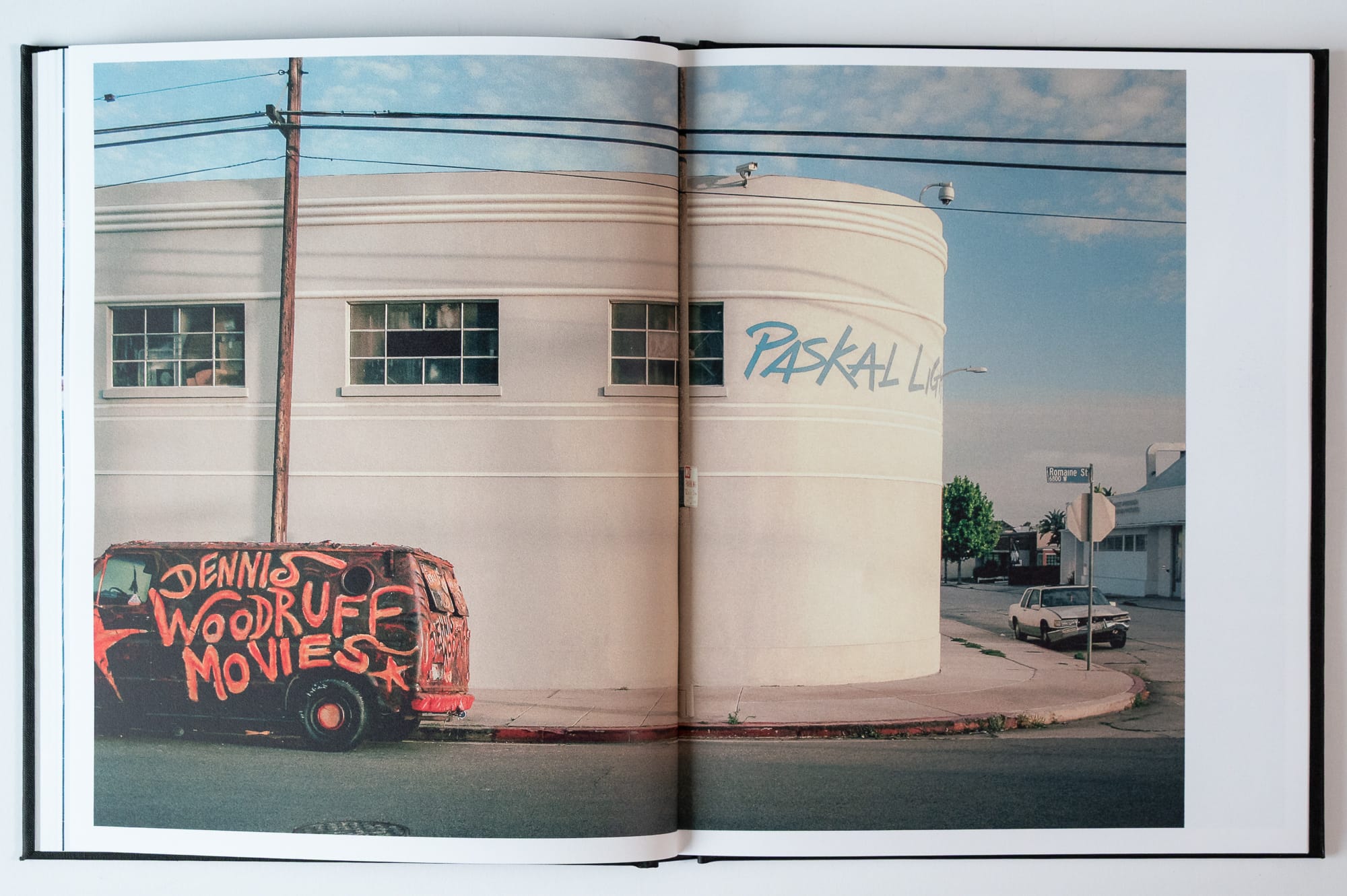
You can view all of the spreads from Carspace Los Angeles on the project page on my website.
Interview with Immaterial Voices Podcast
As many of you probably know, I hosted a podcast about photobooks called the LPV Show from 2014 to 2016. It's hard to believe it's been over a decade now since it aired. The photography media landscape has changed dramatically since then, with many more podcasts and YouTube channels offering photographers all sorts of perspectives on various aspects of the practice.
I was a bit surprised when Brian O’Neill from the Immaterial Voices podcast invited me on for a conversation. I haven't talked much about my work beyond this newsletter in a long time, but I felt that at this point in my life I have a better understanding of what I am trying to accomplish and explore with my work, so I thought it was a good opportunity to air out some of those ideas.
Thanks to Brian and Phillip Kalantzis-Cope for inviting me on. I love the work they are doing with Immaterial Books, as they share many of the same interests and themes. Here’s the description of the episode which you can listen to on any of the podcast platforms.
How does our “eye” develop, or even change through time? Along what dimensions do changes, both proximate and seemingly distant, inform our vision of the world? In this conversation with photographer, walker, and artist Bryan Formhals, Immaterial Voices host Brian O’Neill discusses these and many other questions.
Growing up in the Midwest, Bryan eventually found himself in major metropolitan areas and art hubs: Los Angeles and New York City. Eventually ditching the car, Bryan began to find his voice amidst the intersections of walking arts, photography and photobooks.
An early pioneer of the photography podcast with the LPV show, and mobilizing digital platforms like Flickr, Bryan’s career has spanned multiple different locales, but also moments in the recent history of photography and photobooks.
The discussion focuses on the practice of photography and photobooks, wherein Bryan draws upon insights from his New York City Public Realm project, which spans more than a decade of work. Throughout, the conversation offers insights into strategies and maneuvers surrounding book-making and the pursuit of one’s vocation.
I’m a photographer based in Minneapolis working on long-duration projects centered on walking, cities, and public space. This newsletter shares periodic dispatches from that work, along with selected images and related references. Selected work also appears on Instagram.